
TheraSim
Designing a More Accessible Therapy Experience
A virtual reality platform for training future psychotherapists through immersive AI-driven simulations.
Role
Timeline
Tools
UX/UI Designer
6 Weeks
Figma, Blender, Illustrator, Photoshop

Why This Exists
Therapists learn through lectures, observation and limited supervised practice.
Yet therapy itself is built on conversation, intuition and experience.
That gap inspired TheraSim.
Understanding the Landscape
Before designing the solution, I needed to understand the world it would exist in.
Traditional psychotherapy education is built on theory, observation and limited supervised practice. While students spend years learning therapeutic frameworks, opportunities to repeatedly practice real patient conversations remain scarce. This disconnect between knowledge and experience became the starting point for TheraSim.
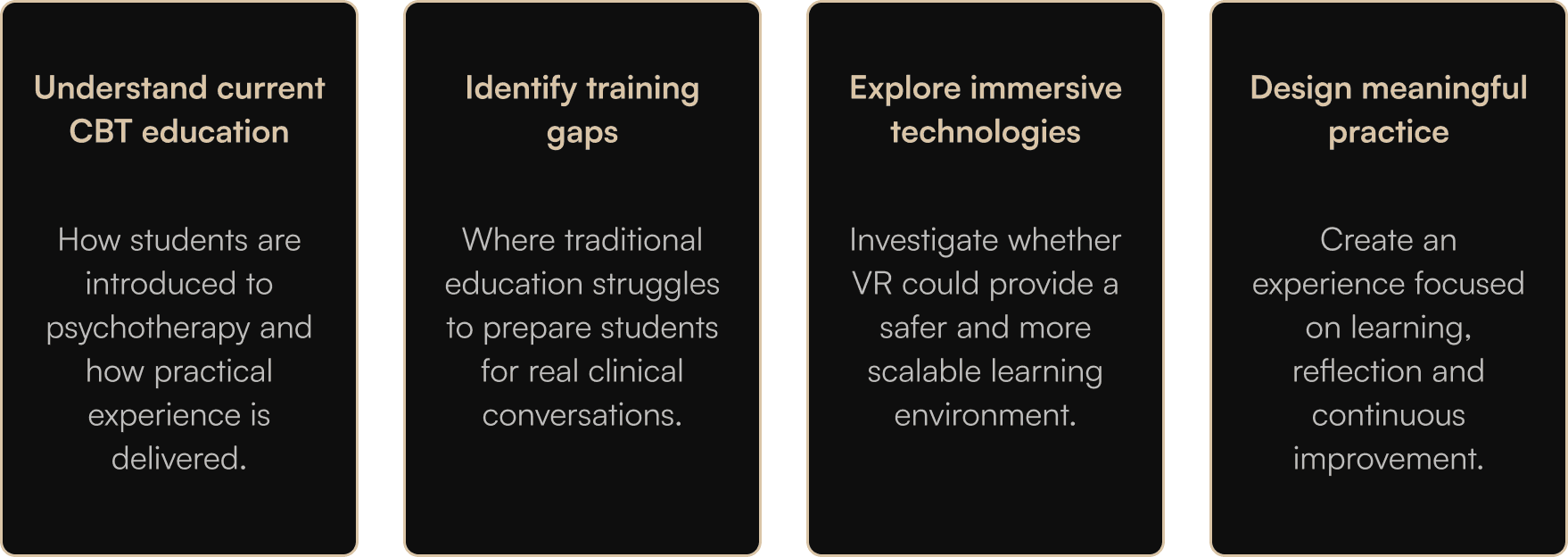
The objective of this research was simple: understand how Cognitive Behavioural Therapy (CBT) is currently taught, identify the limitations of existing training methods, and explore how immersive technologies could make therapist education more practical, repeatable and engaging.
Research Objectives
Research Approach
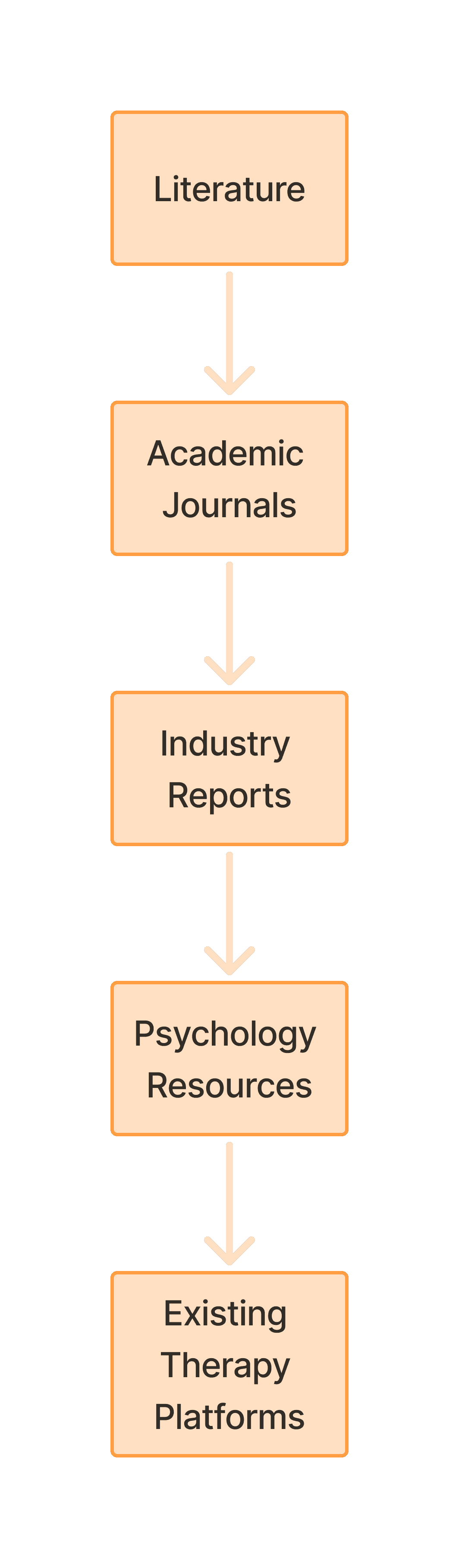
Research was conducted using multiple secondary sources, including internet research, AI-assisted exploration, academic journals, books and news articles to build a comprehensive understanding of CBT education and emerging therapeutic technologies.
Why CBT?
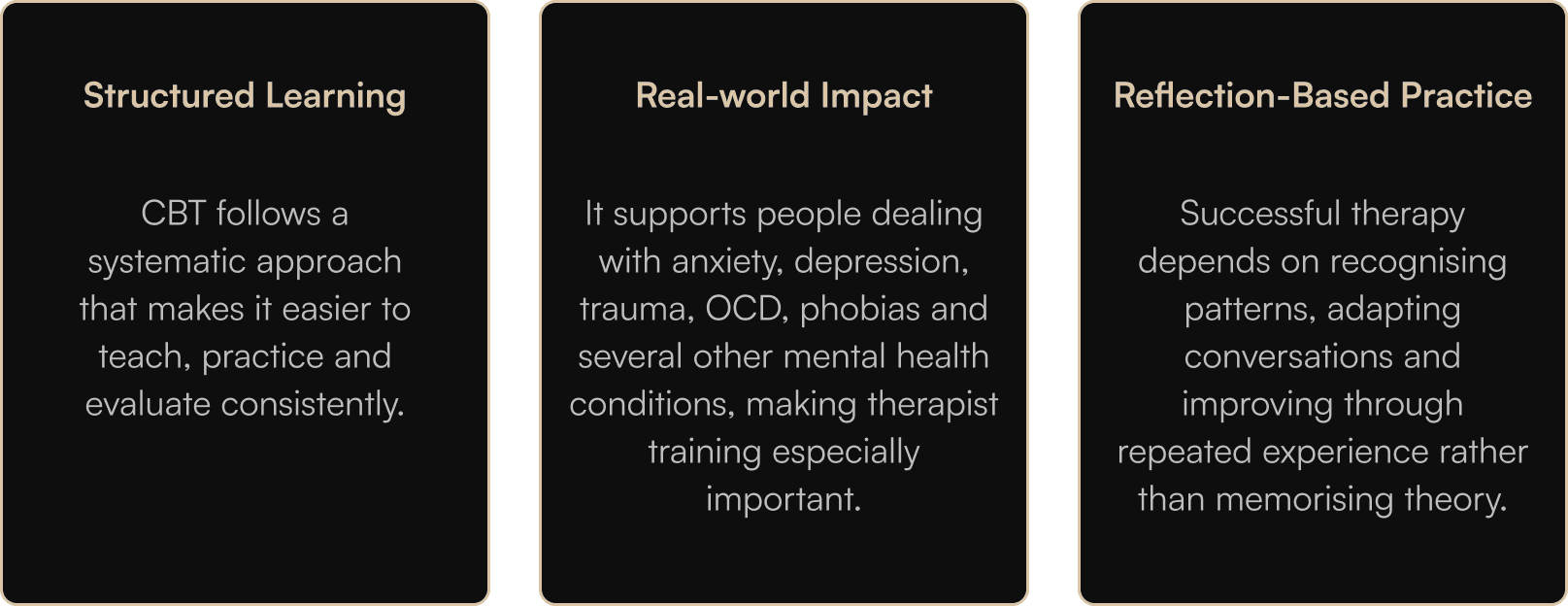
Cognitive Behavioural Therapy is one of the world's most structured and evidence-based psychotherapy methods. Because its process follows a repeatable framework, it provides an ideal foundation for simulation-based learning where students can safely practice therapeutic conversations and decision-making.
Why It Matters
The People Behind the Problem
Meet Deepika
Psychology Educator
34 years old
Deepika is an experienced psychology educator who wants to inspire future therapists but struggles to keep students engaged through traditional teaching methods. While she possesses strong clinical knowledge, limited opportunities for practical demonstration make it difficult to translate theory into memorable learning experiences.
Goals
Inspire students to actively engage with psychology.
Stay current with research and teaching practices.
Build a more rewarding and balanced teaching career.
Frustrations
Students often lack motivation.
Mental health education receives limited attention.
Existing teaching methods don't create enough engagement.
Key Observations
Design Opportunities
What if every therapy student could practice difficult conversations before meeting a real patient?
What if mistakes became learning opportunities instead of clinical risks?
What if educators could measure growth instead of simply observing it?
What if AI could simulate diverse patient personalities for unlimited practice?
What if VR could recreate the emotional context of a therapy room?
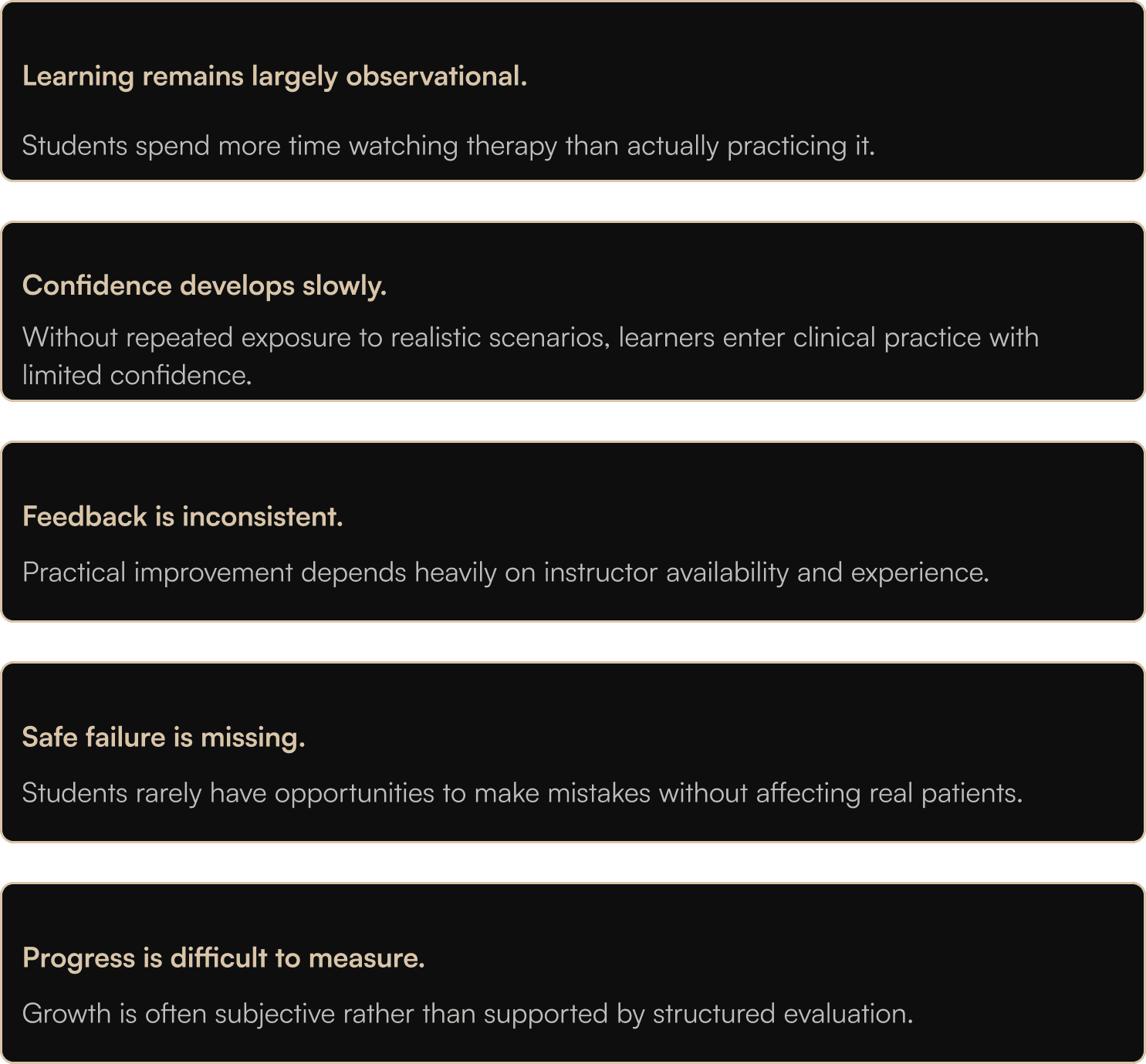
The research revealed a consistent pattern. CBT is highly structured, widely practiced and exceptionally effective, yet the educational experience surrounding it remains heavily dependent on observation and limited supervised practice. This presented an opportunity to rethink therapist education—not by replacing instructors, but by extending their reach through immersive simulation, structured feedback and repeatable practice.
Imagining a Better Way
What if practice became immersive instead of theoretical?
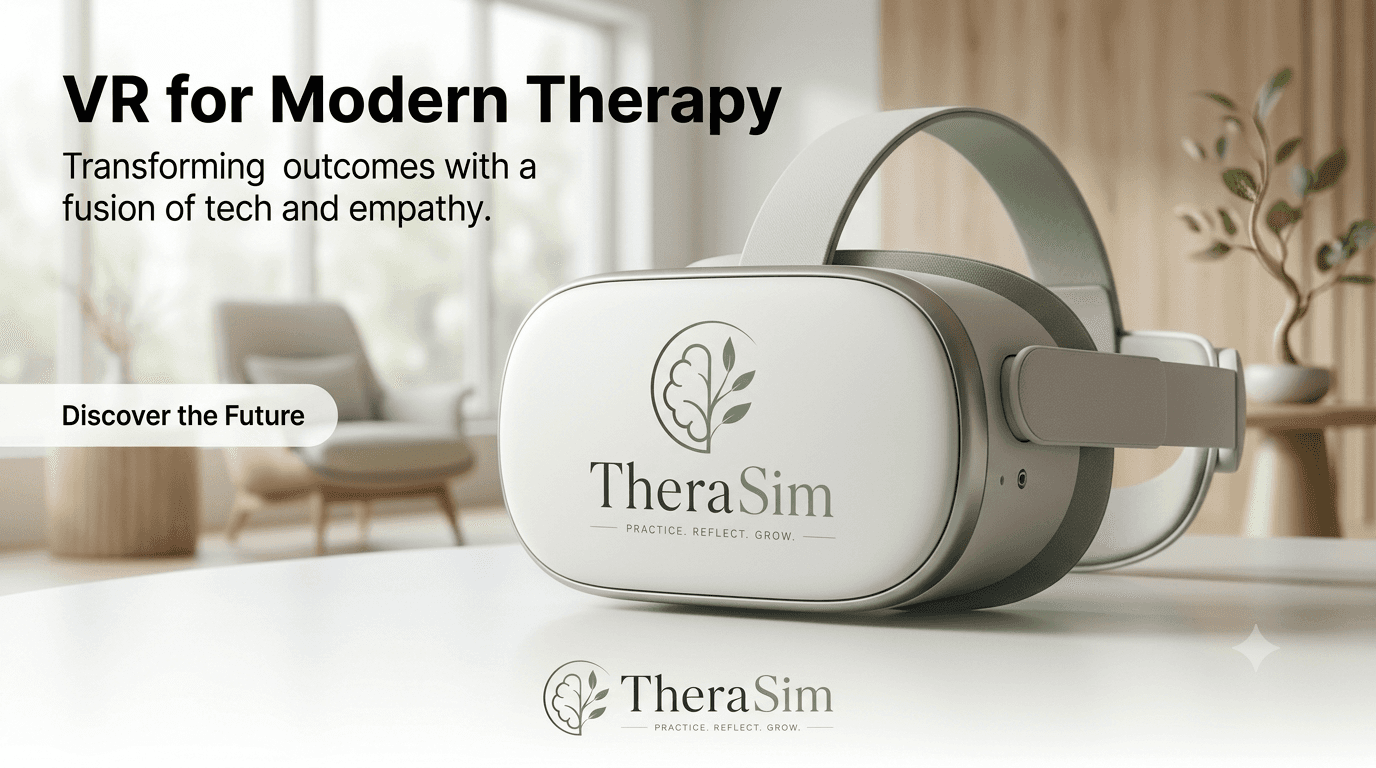
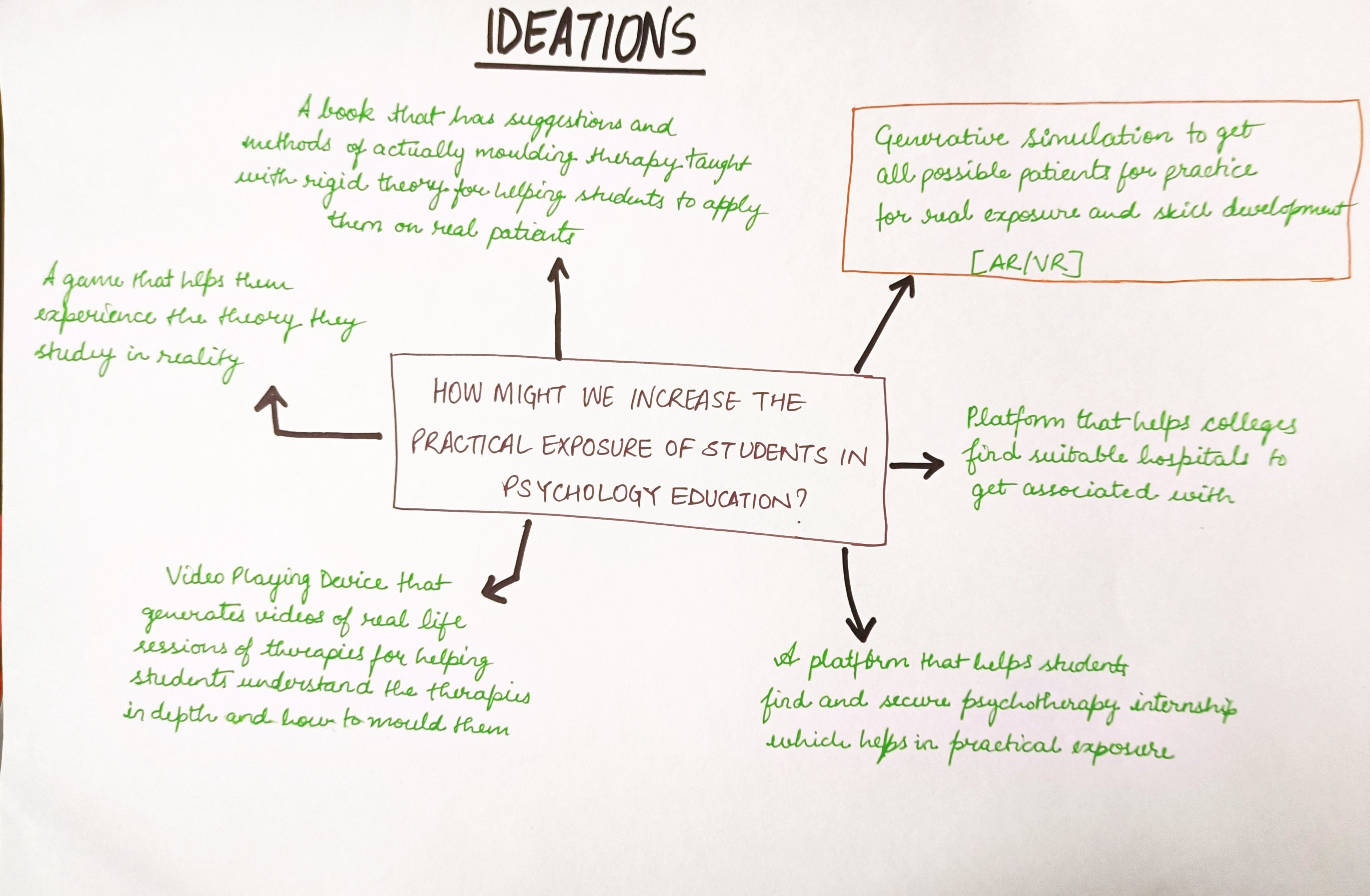
TheraSim was conceived as an immersive learning platform that transforms psychotherapy education from passive observation into active practice. Rather than replacing traditional teaching, it extends it—giving students a safe environment to build confidence, make mistakes, and improve through repeated experience.
Built around Virtual Reality, Artificial Intelligence and structured performance analysis, TheraSim enables aspiring therapists to simulate realistic CBT sessions while receiving meaningful feedback after every interaction.
The Vision
TheraSim is not simply a VR application. It is a complete training ecosystem designed for educational institutions, therapy centers and independent learners. The platform combines immersive simulation, AI-driven patient behavior, instructor guidance and performance analytics into a single learning experience that evolves alongside the student. Based on your project concept, the ecosystem includes VR software, AI, a patient data system, VR hardware, and a website for purchasing or renting the service.
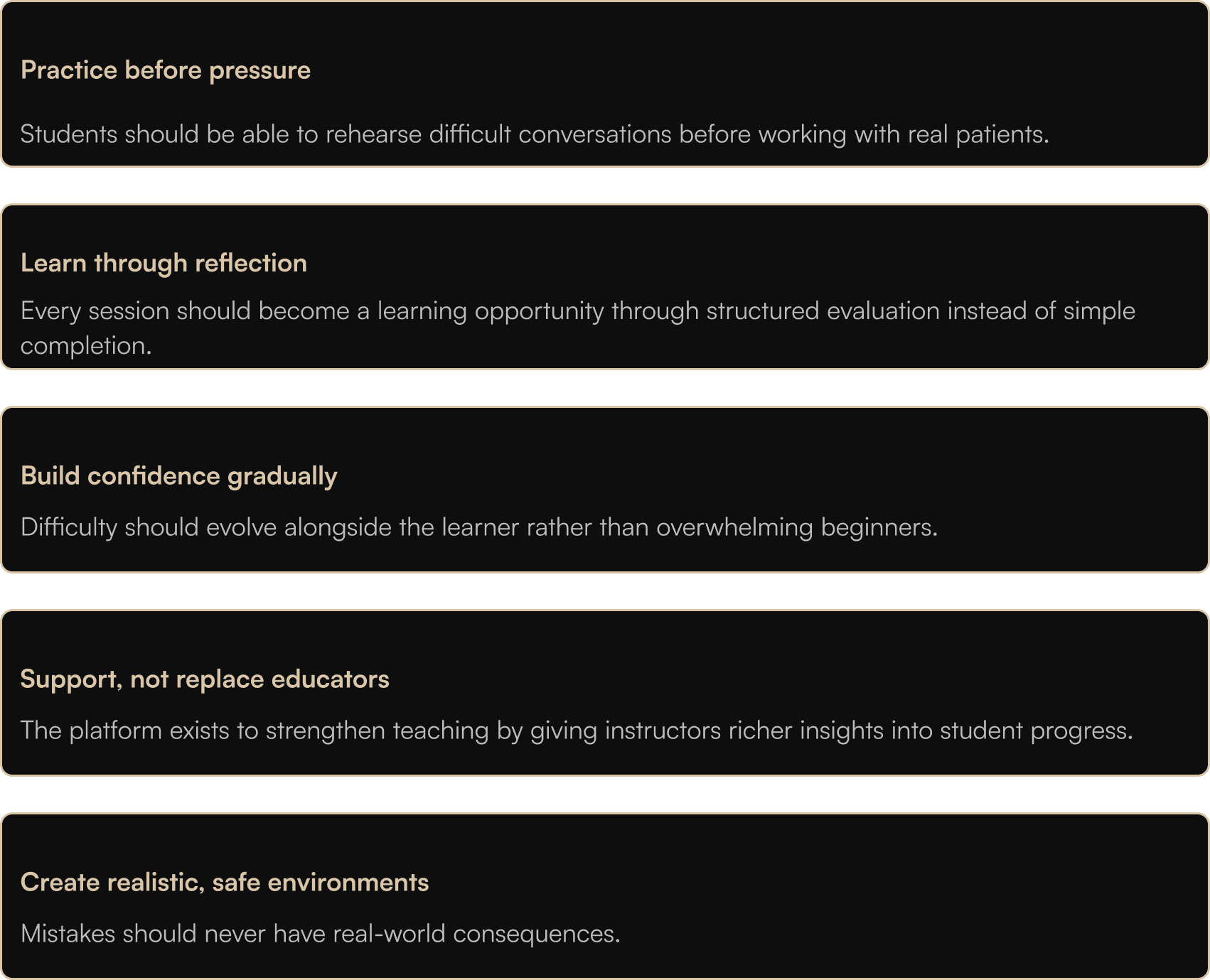
Design Principles
The Ecosystem
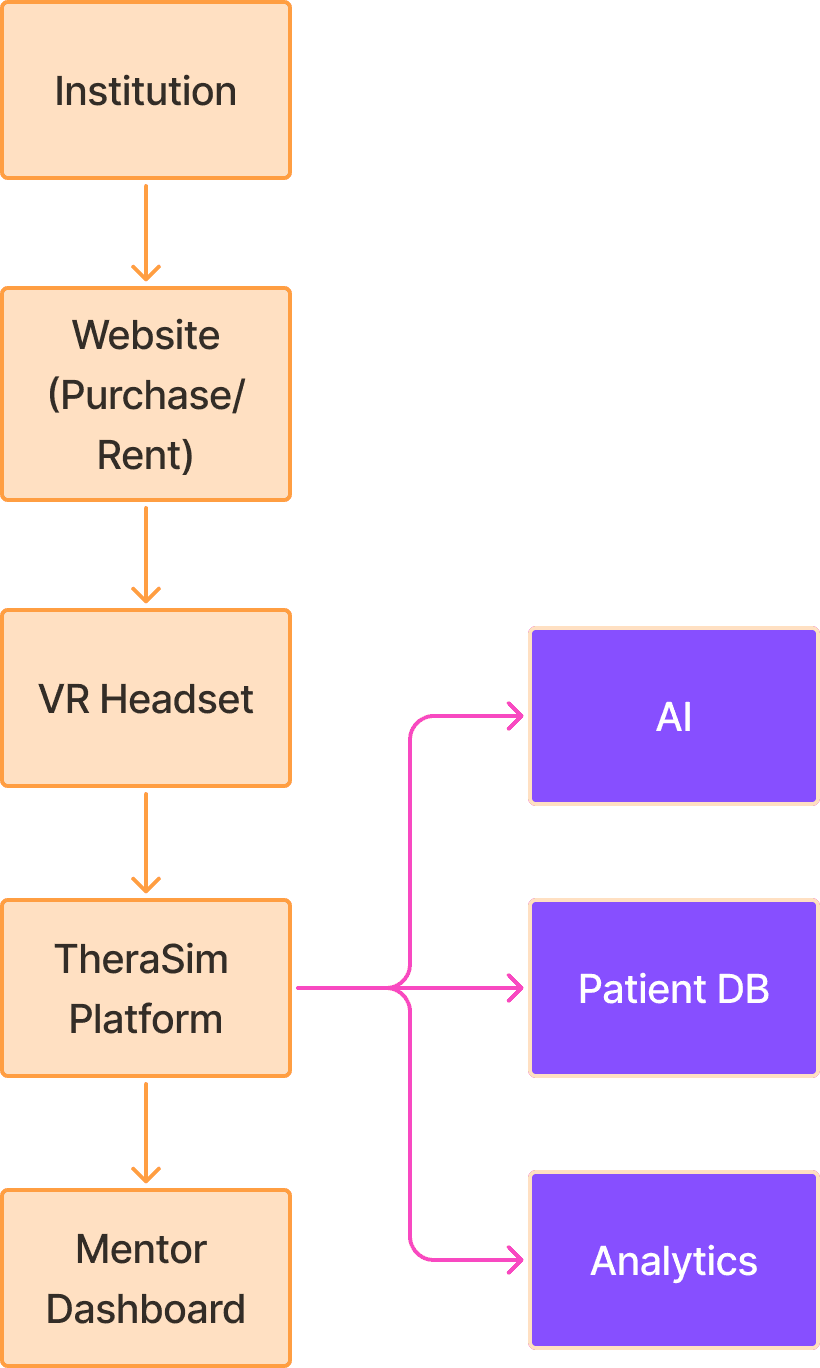
Every component works together to create a seamless training experience—from onboarding and licensing to immersive therapy sessions and post-session evaluation.
How It Works
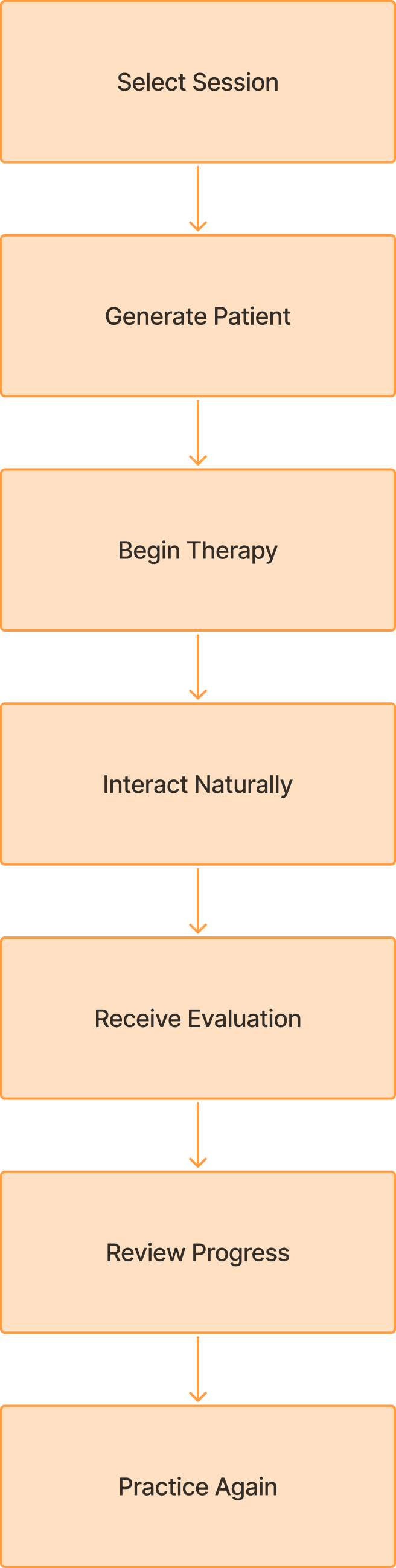
Instead of treating learning as isolated sessions, TheraSim encourages continuous improvement through repeated practice and measurable feedback.
Core Capabilities
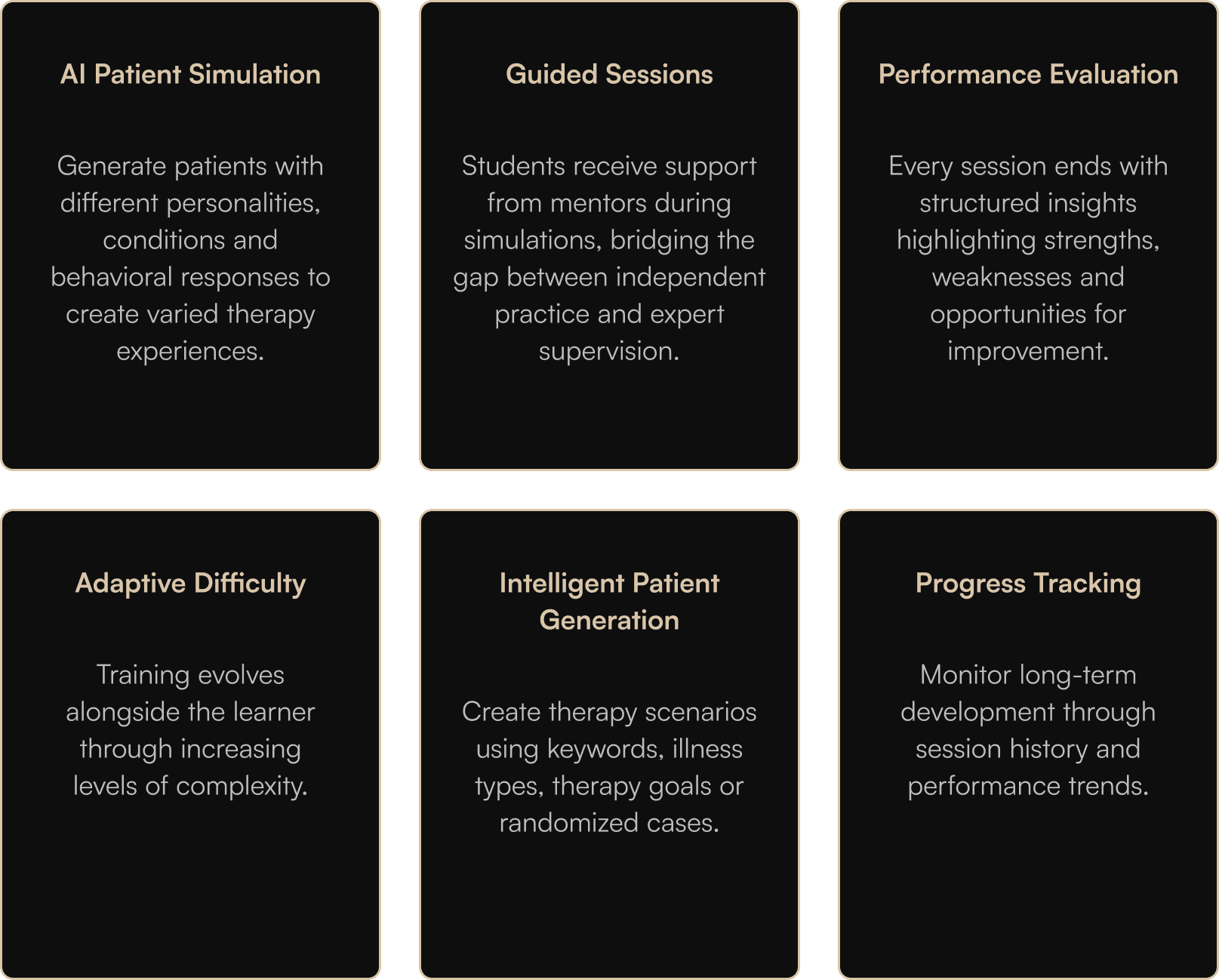
Why VR?
Therapy is fundamentally conversational and situational. Reading about difficult conversations is not the same as experiencing them. Virtual Reality provides the spatial presence, emotional context and uninterrupted focus needed to simulate therapeutic environments more convincingly than traditional desktop interfaces.
What Makes TheraSim Different?
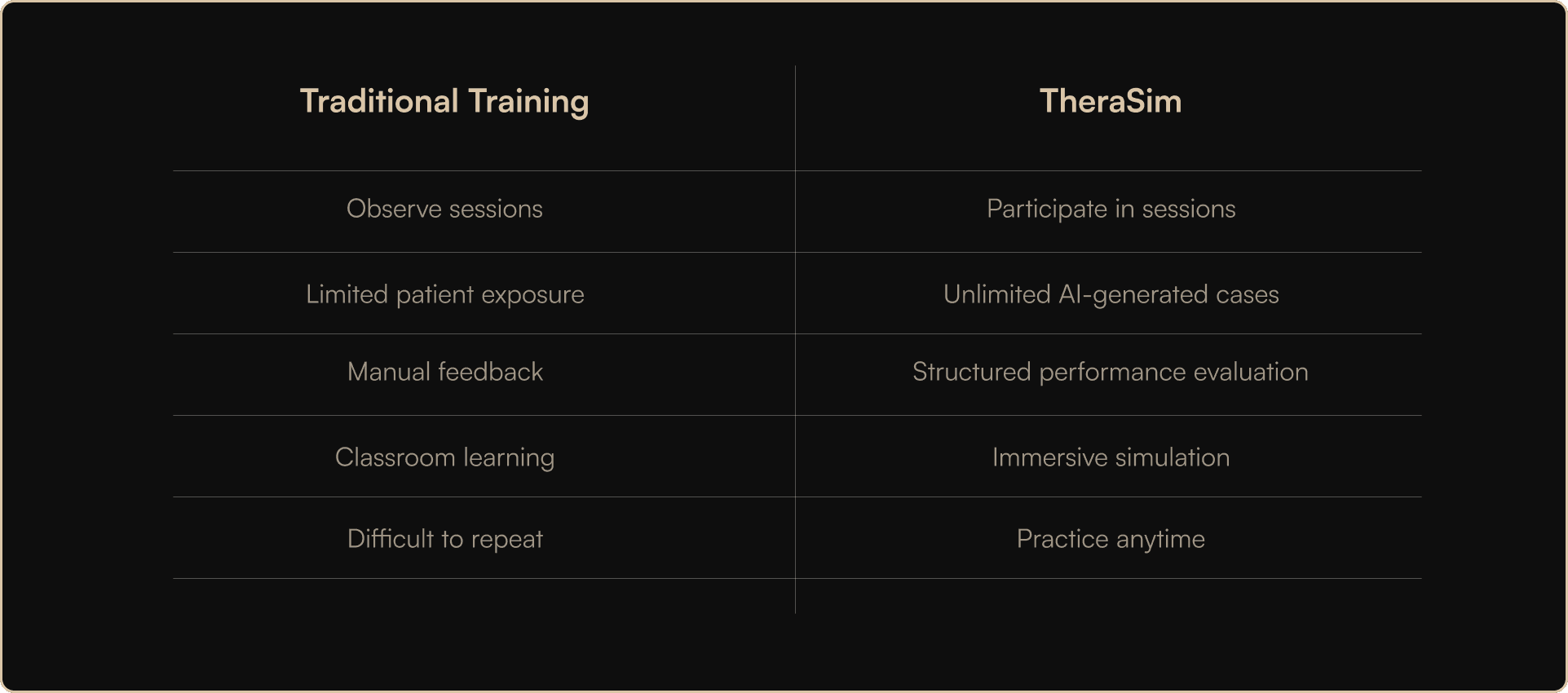
With the overall experience defined, the next challenge was translating these ideas into an interface that felt calm, trustworthy and unobtrusive enough to support meaningful therapeutic conversations.
Inside TheraSim
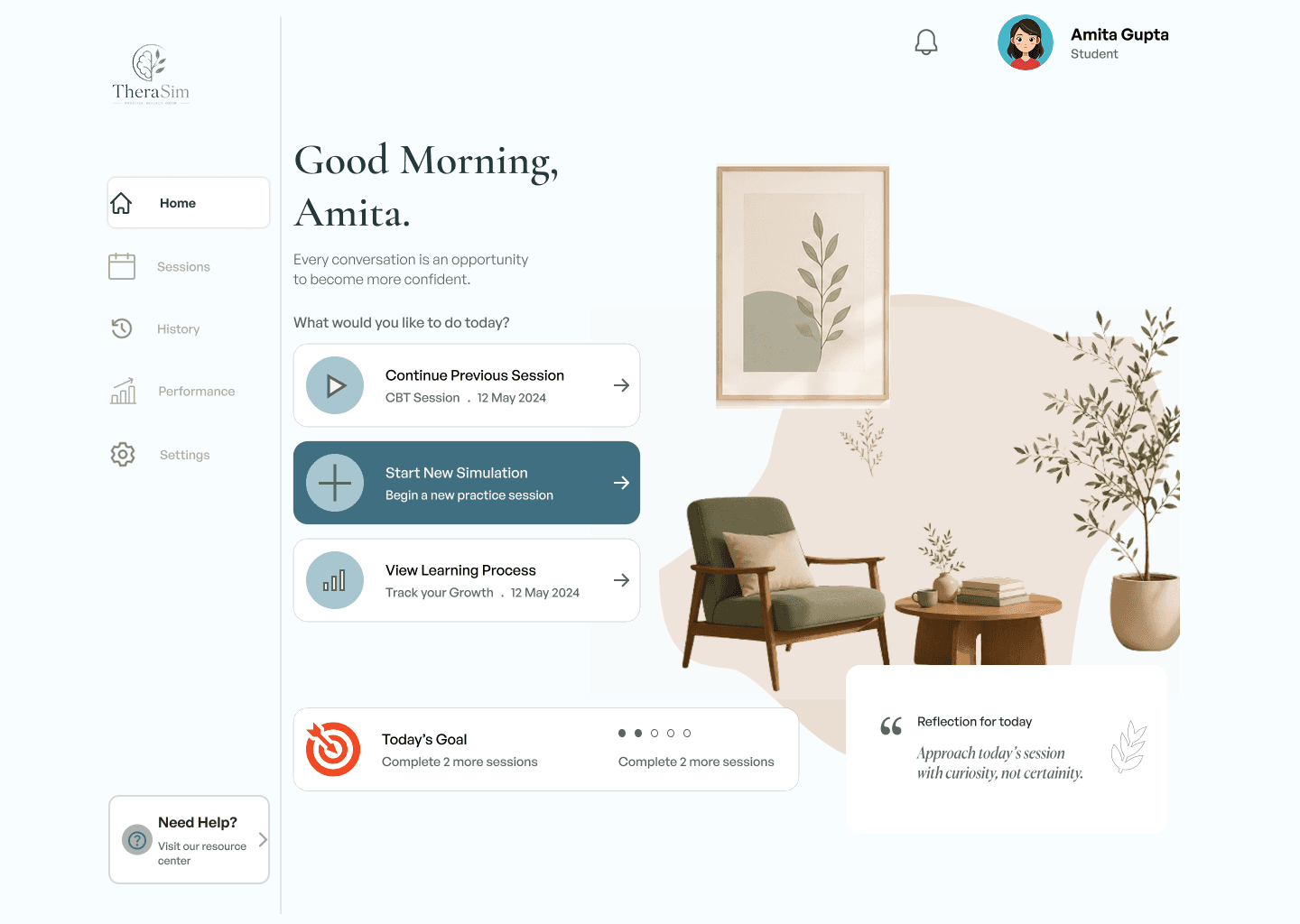
TheraSim was designed as a guided journey—from preparing for a therapy session to reflecting on every conversation afterwards. Every interaction encourages practice, confidence and continuous improvement.
Welcome to TheraSim

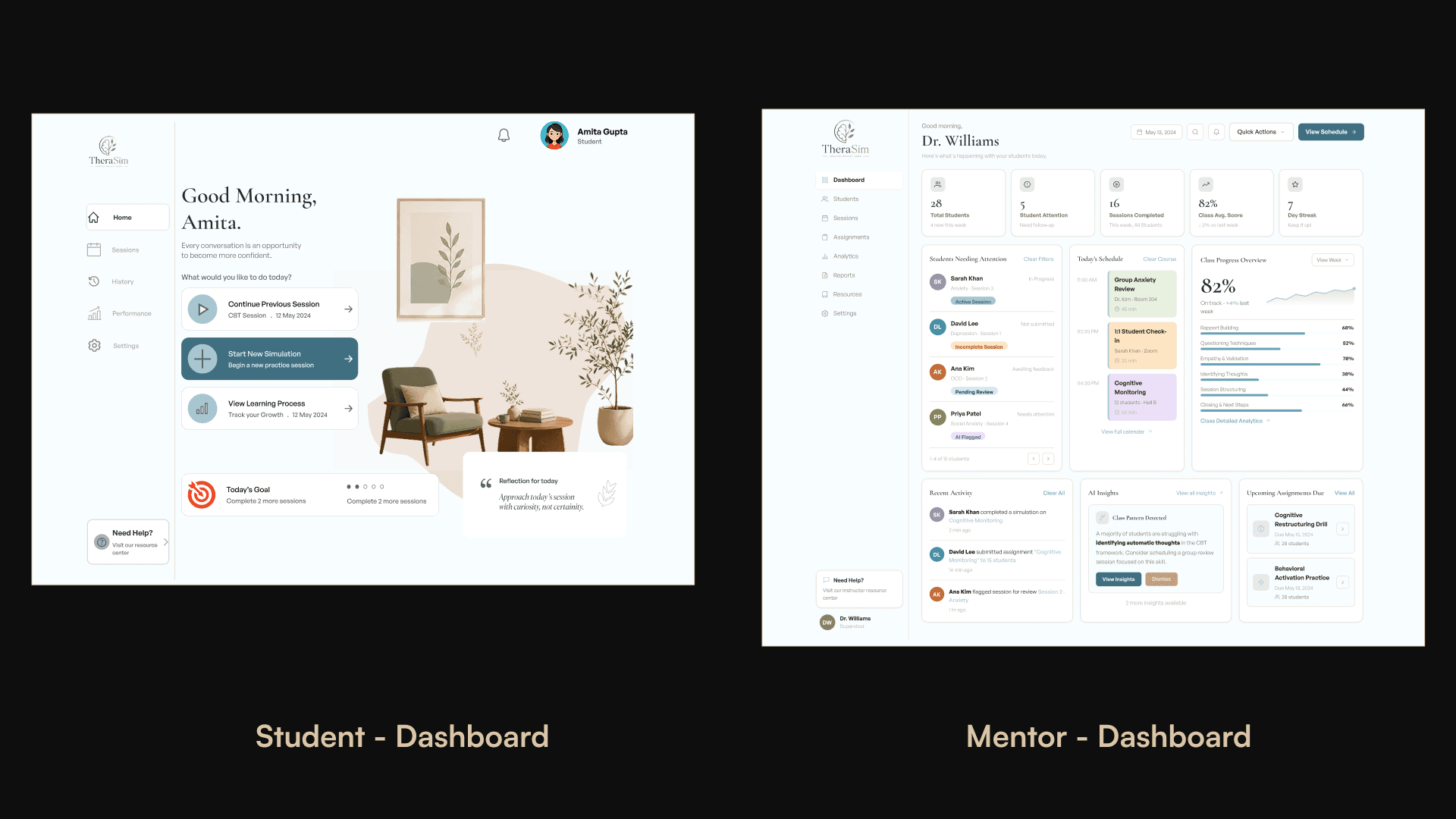
Every session begins with clarity.
The onboarding experience introduces learners to the platform, explains the available training modes and prepares them for their first simulated therapy session without overwhelming them.
Choose Your Challenge
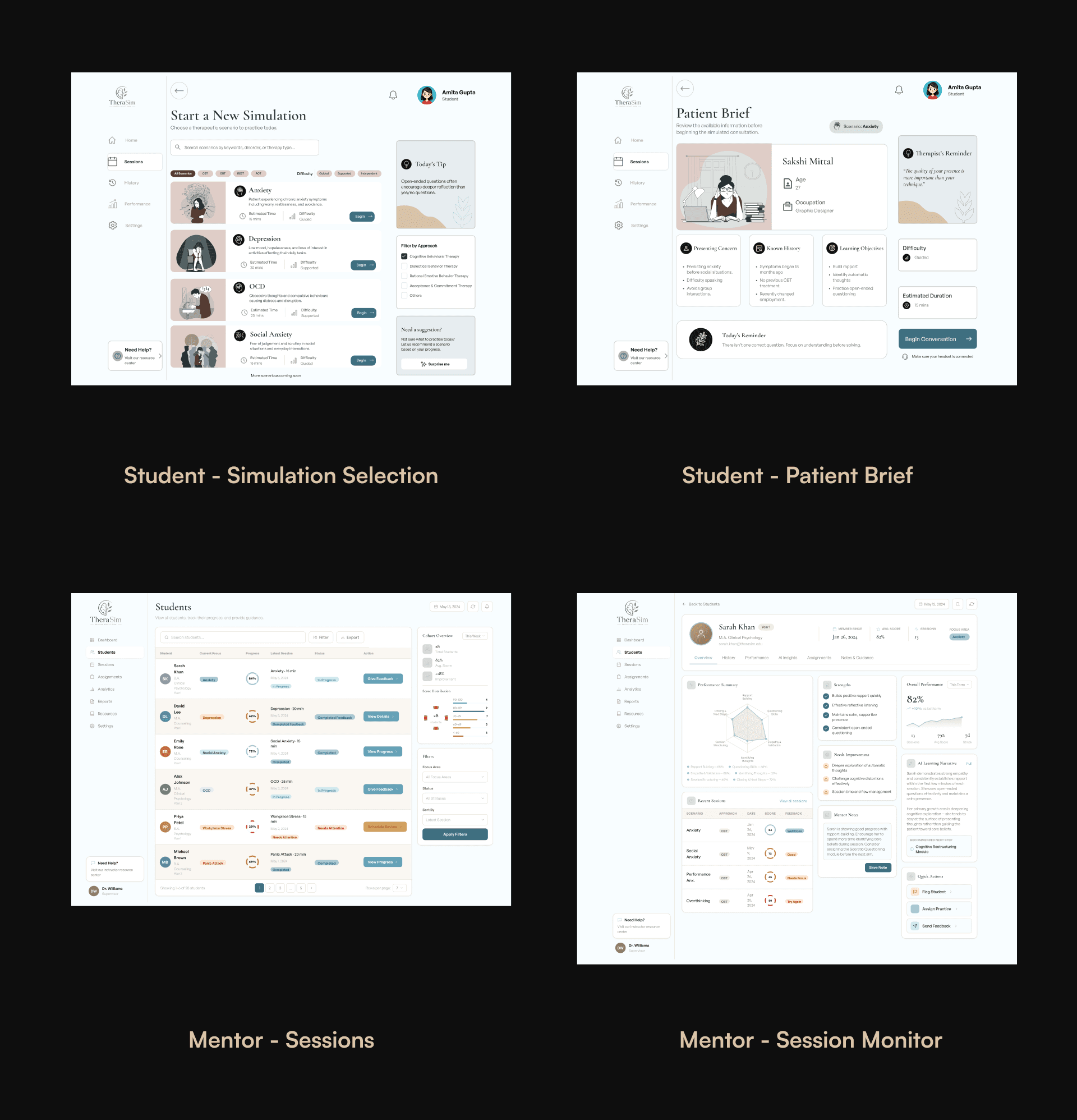
Every therapist learns differently.
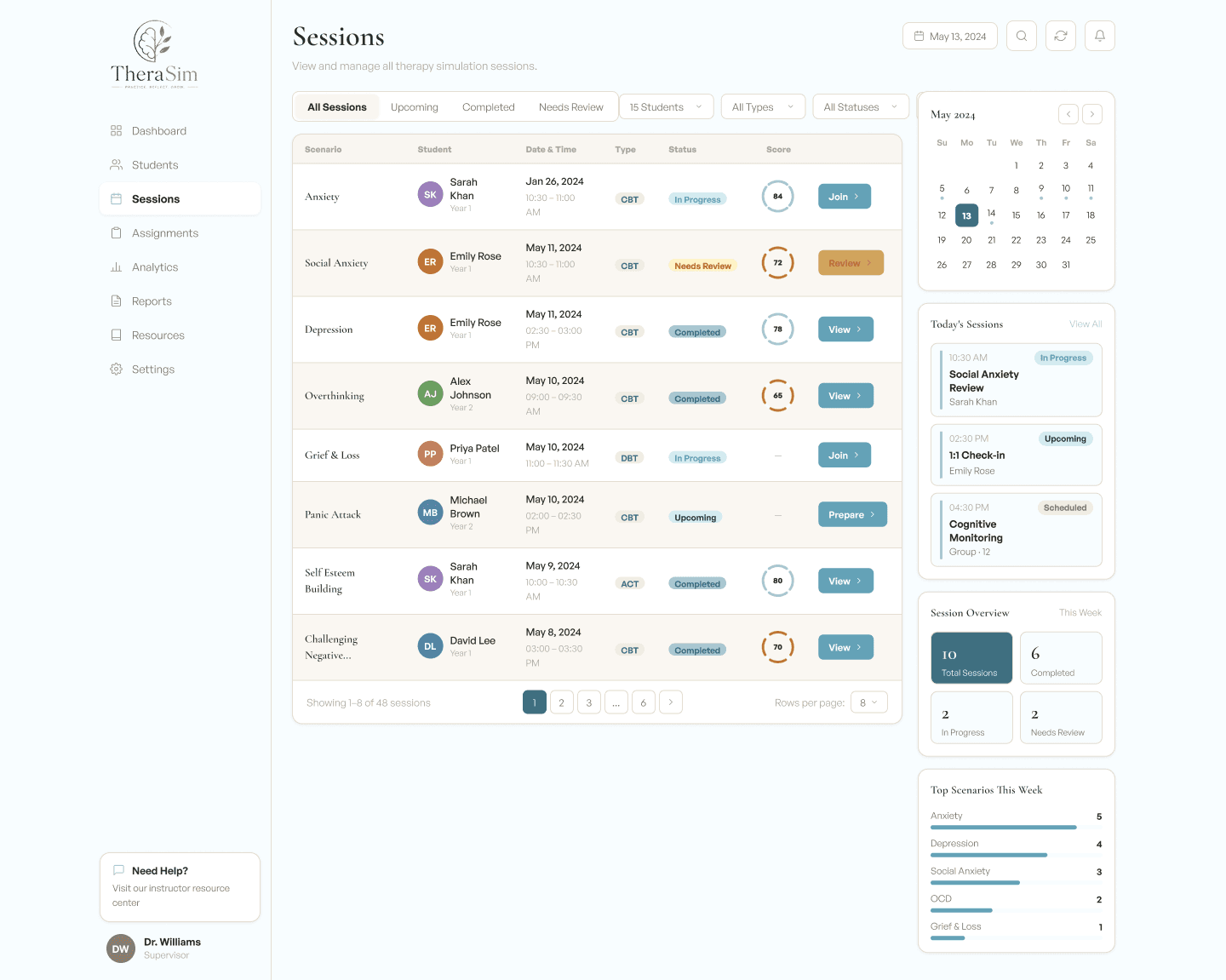
Rather than following a fixed curriculum, learners can generate therapy sessions based on keywords, illnesses, therapy types or completely random patient scenarios.
This flexibility encourages repeated practice across diverse situations while keeping every session unique.
Step Into the Therapy Room
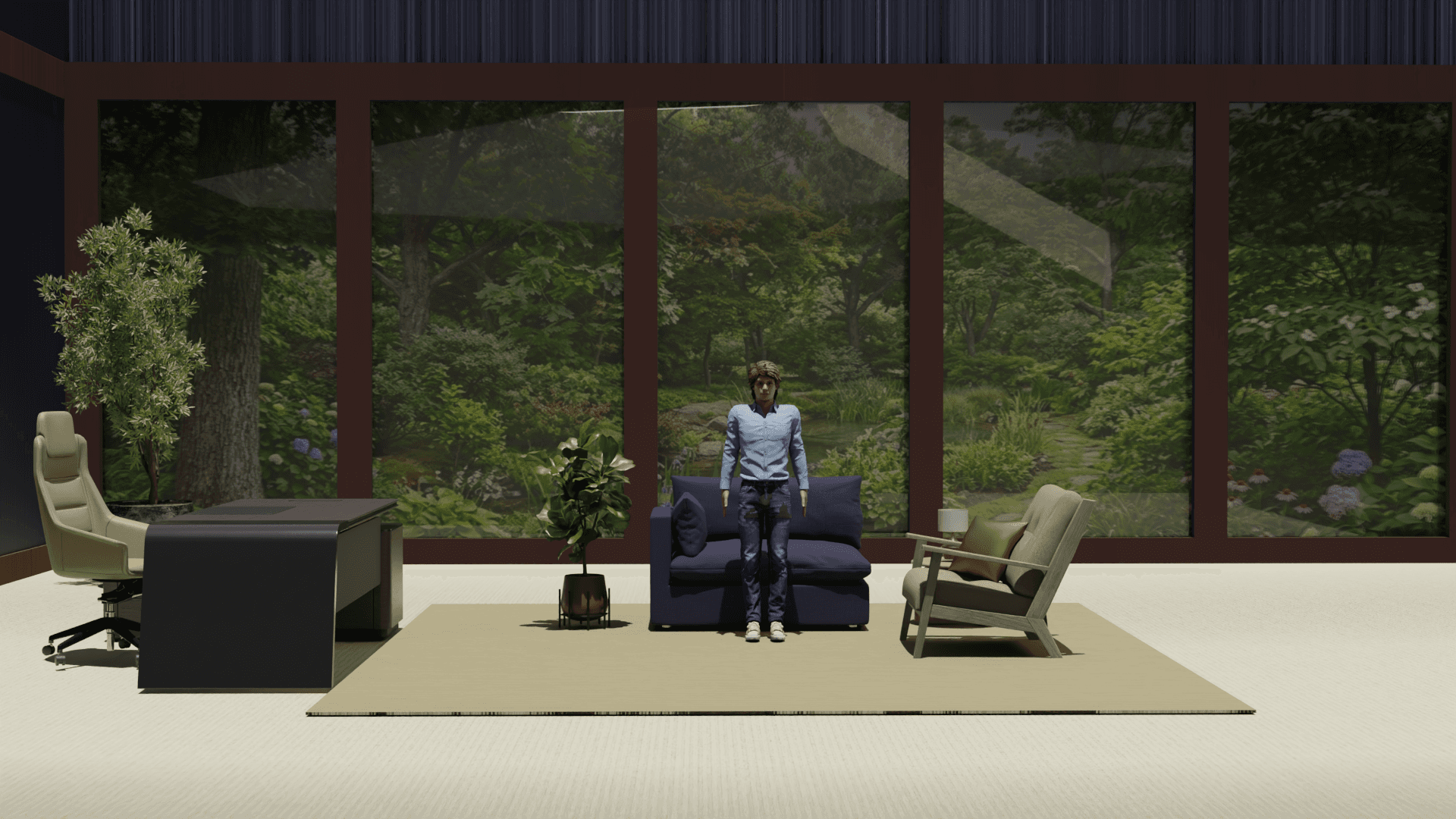
A safe space to practice difficult conversations.
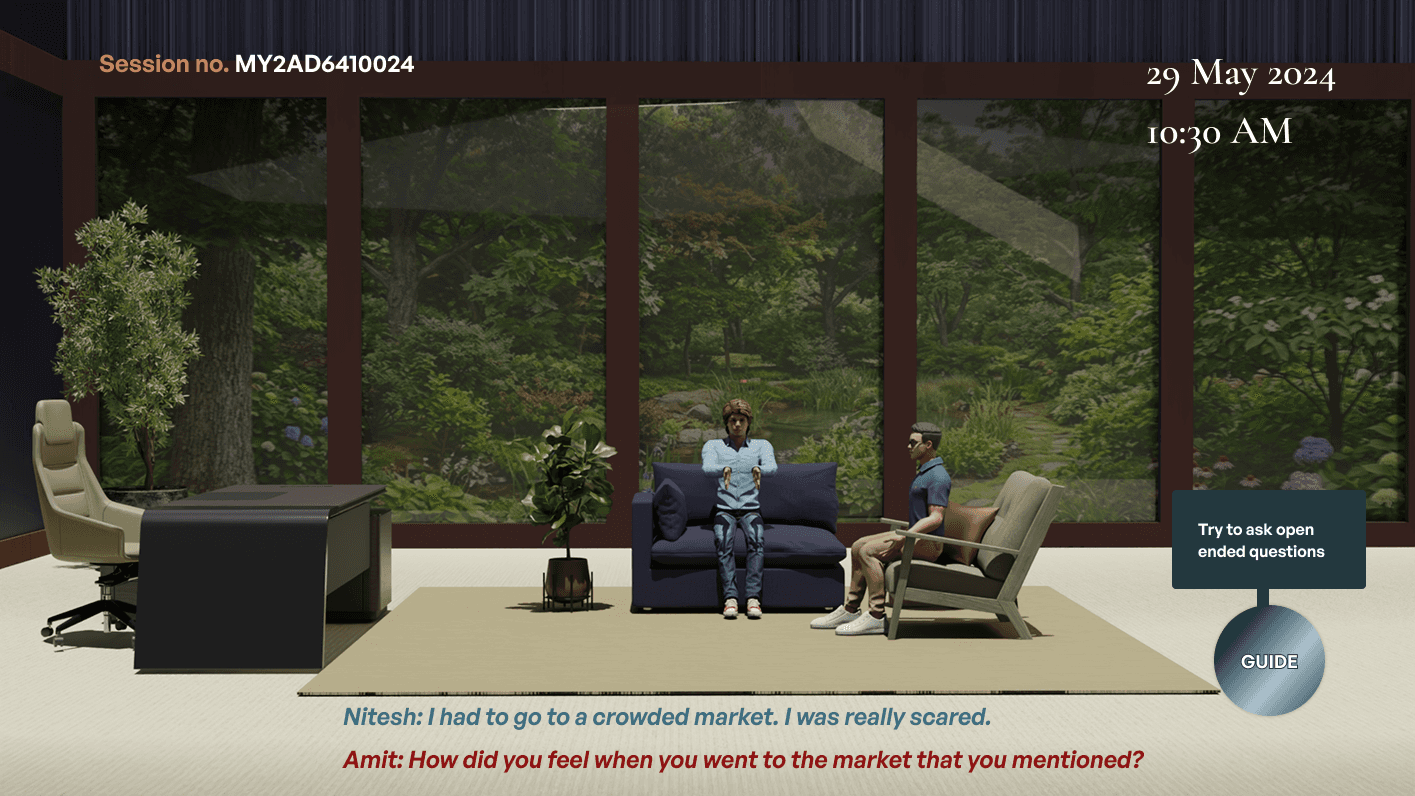
Once inside the virtual consultation room, students interact with AI-driven patients in an environment designed to recreate the atmosphere of a real therapy session. The focus remains on active listening, questioning and applying CBT techniques rather than navigating complex controls.
Conversations That Respond
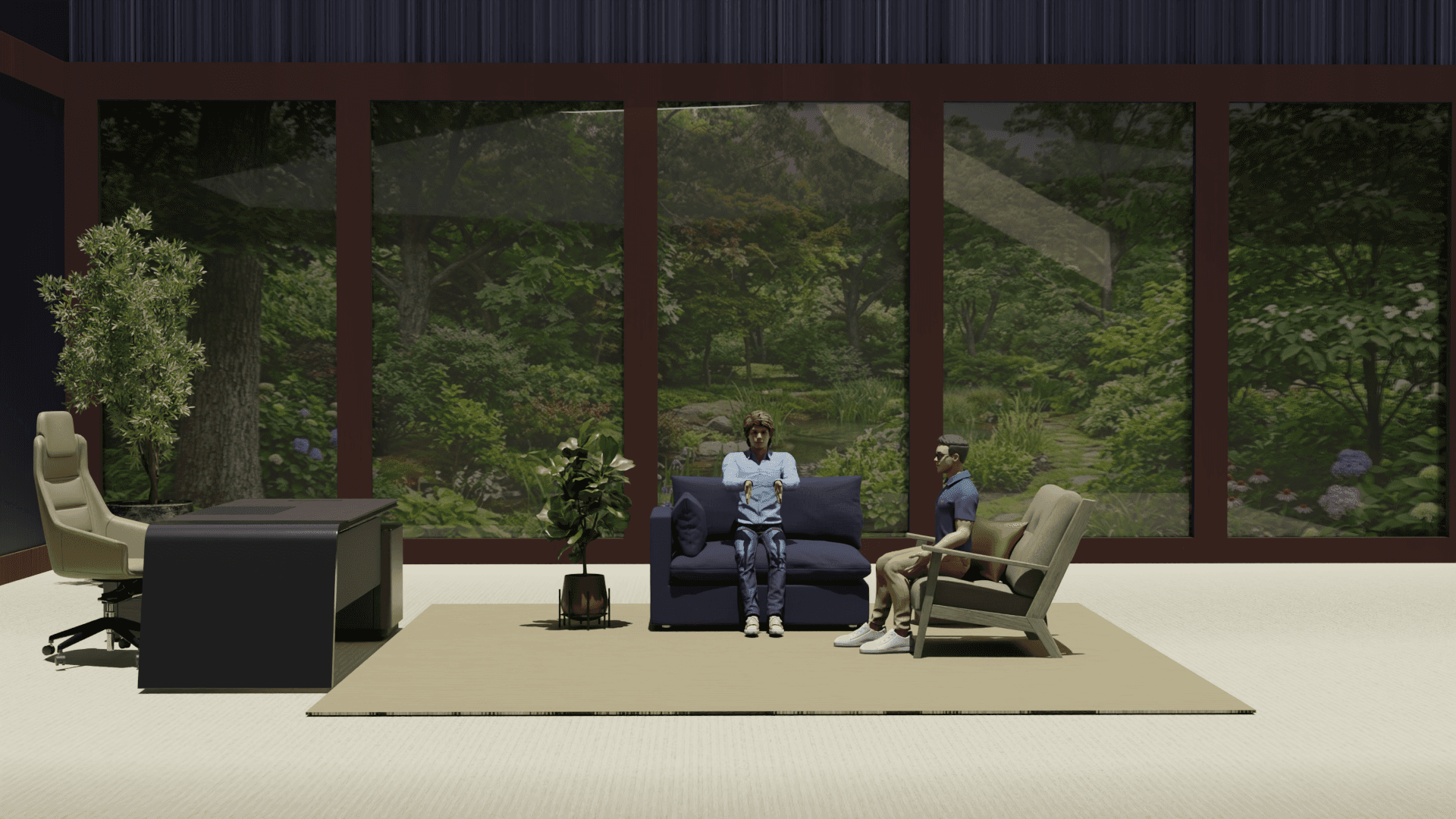
Every response shapes the conversation.
Patients react dynamically throughout the session, allowing learners to experience different personalities, emotional states and therapeutic challenges. Each decision influences how the conversation develops, encouraging thoughtful communication rather than memorized responses.
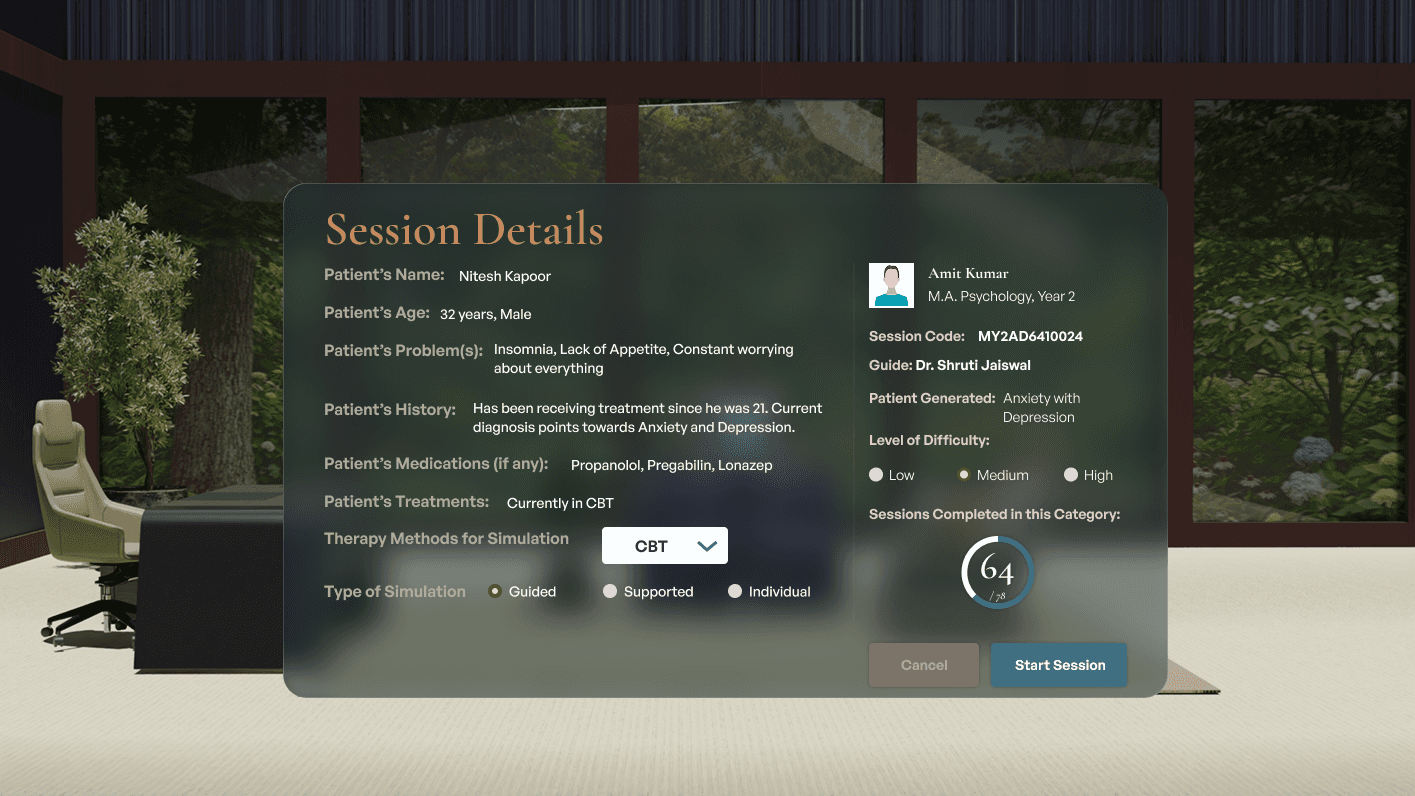

Guided When Needed
Learning never happens alone.
Mentor guidance provides timely support during sessions without interrupting immersion. Instead of correcting every action, guidance encourages reflection and helps students understand why certain therapeutic approaches may be more effective.
Reflect Before Moving Forward
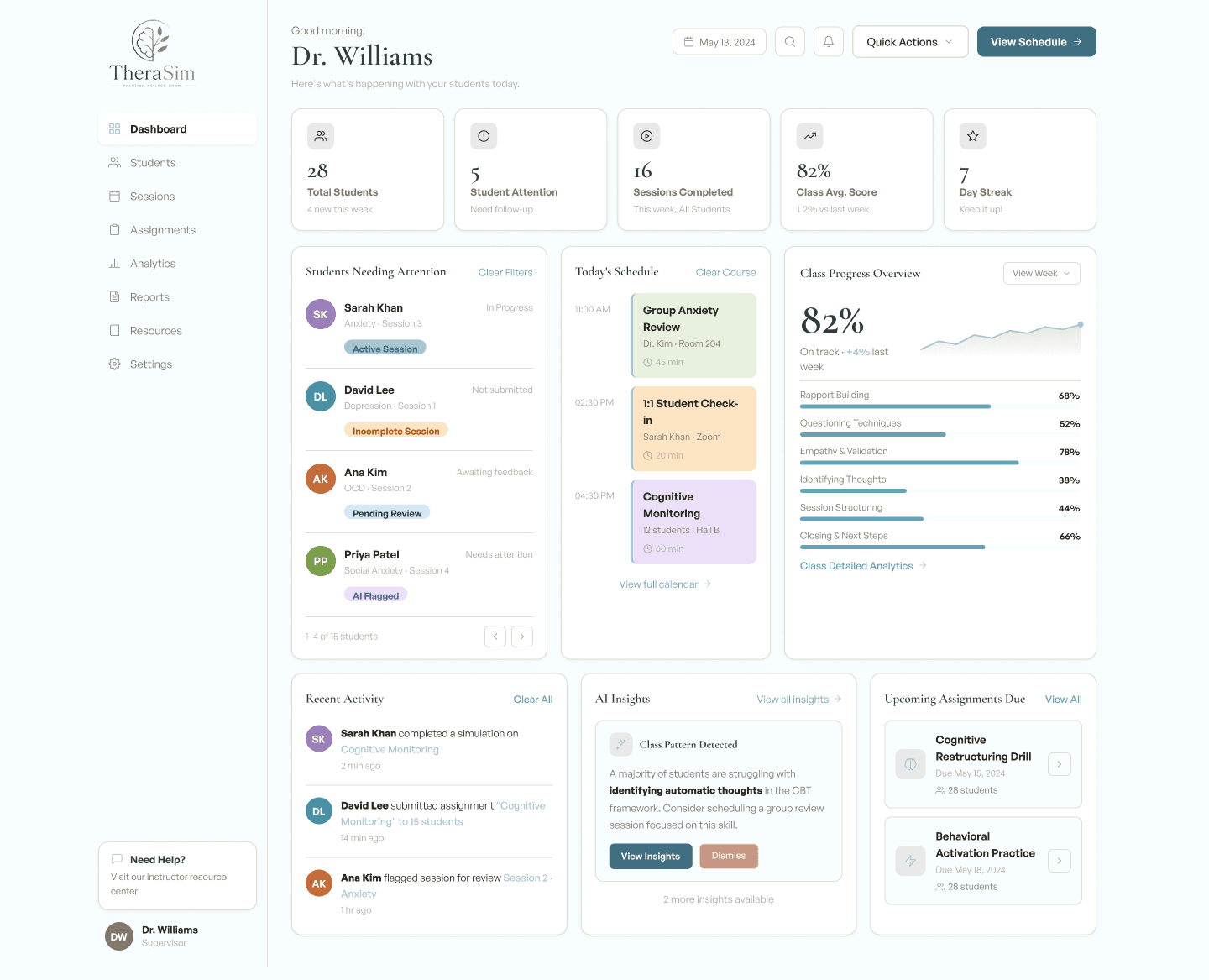
Every session becomes a learning opportunity.
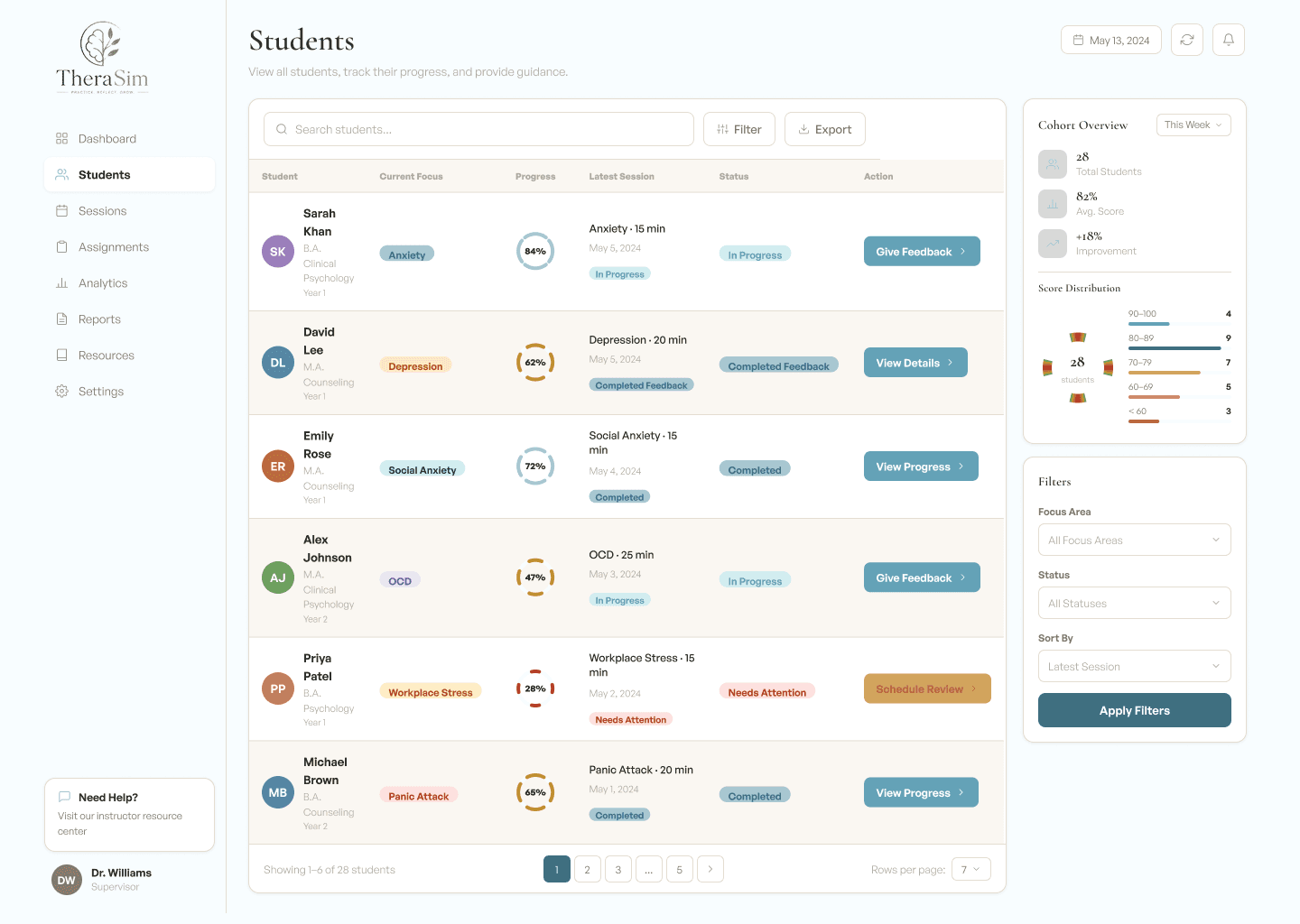
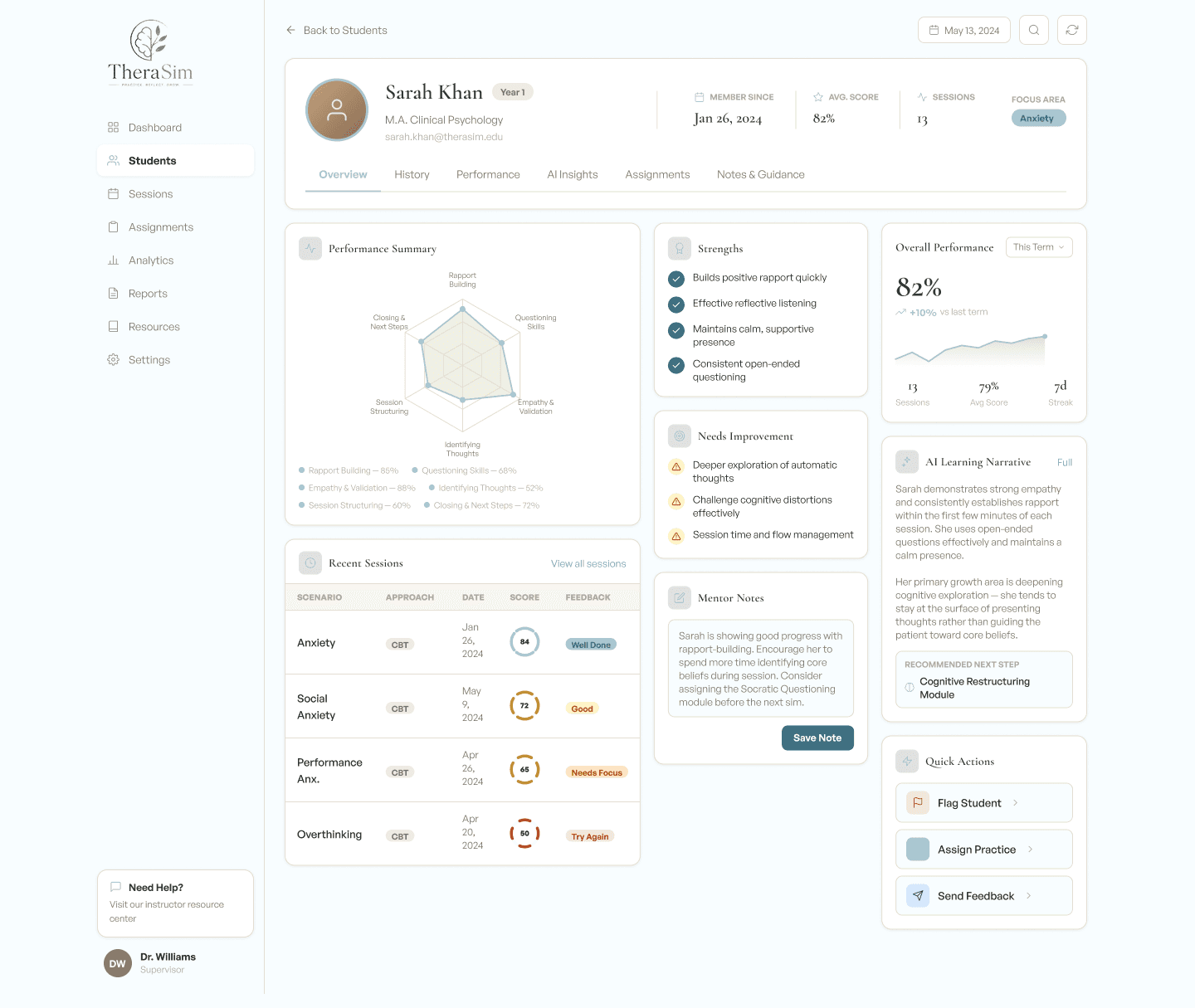
After completing a simulation, TheraSim generates a structured evaluation highlighting communication skills, decision-making, therapeutic progression and areas for improvement. Rather than assigning simple scores, the platform encourages reflective learning through meaningful feedback.
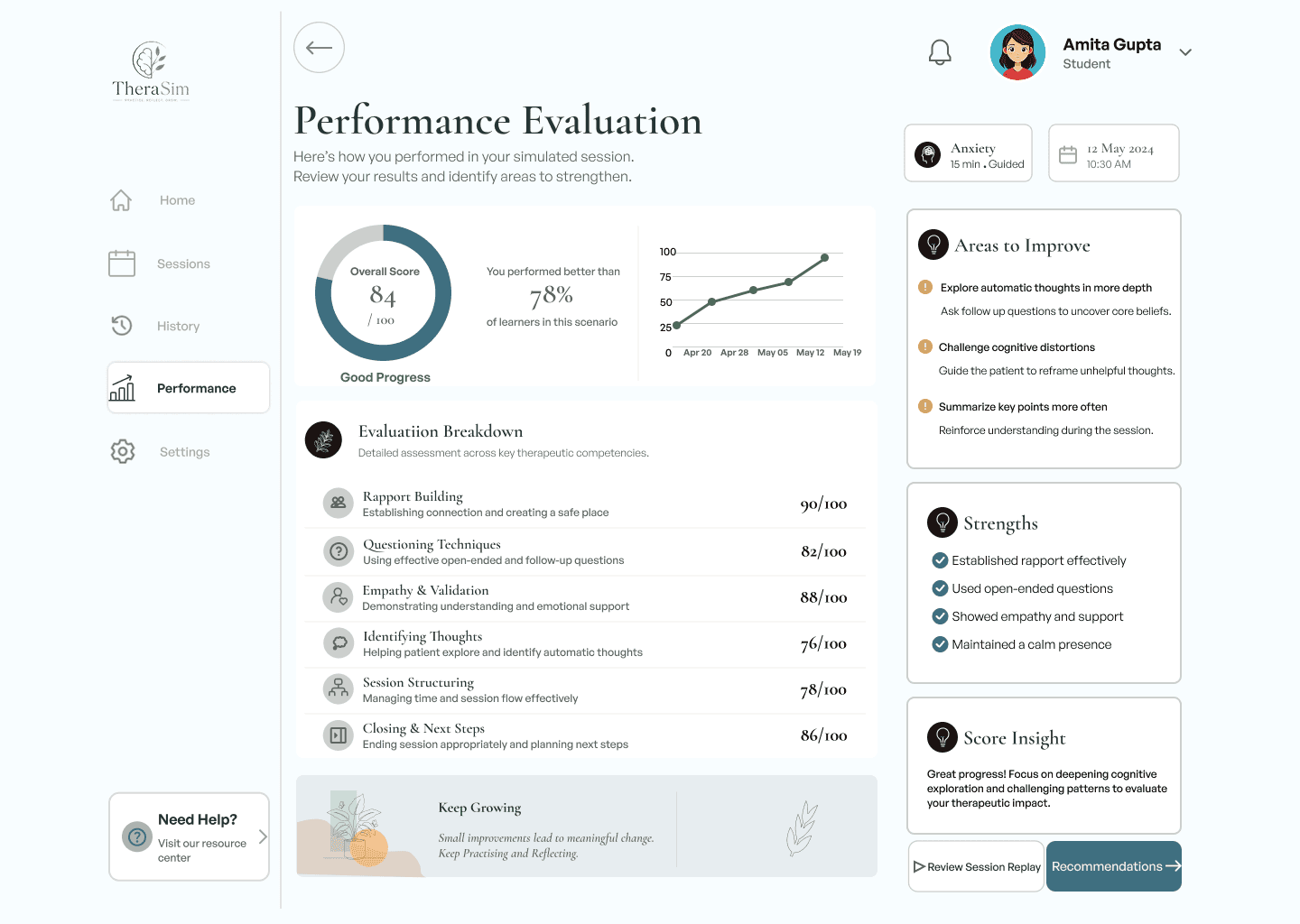
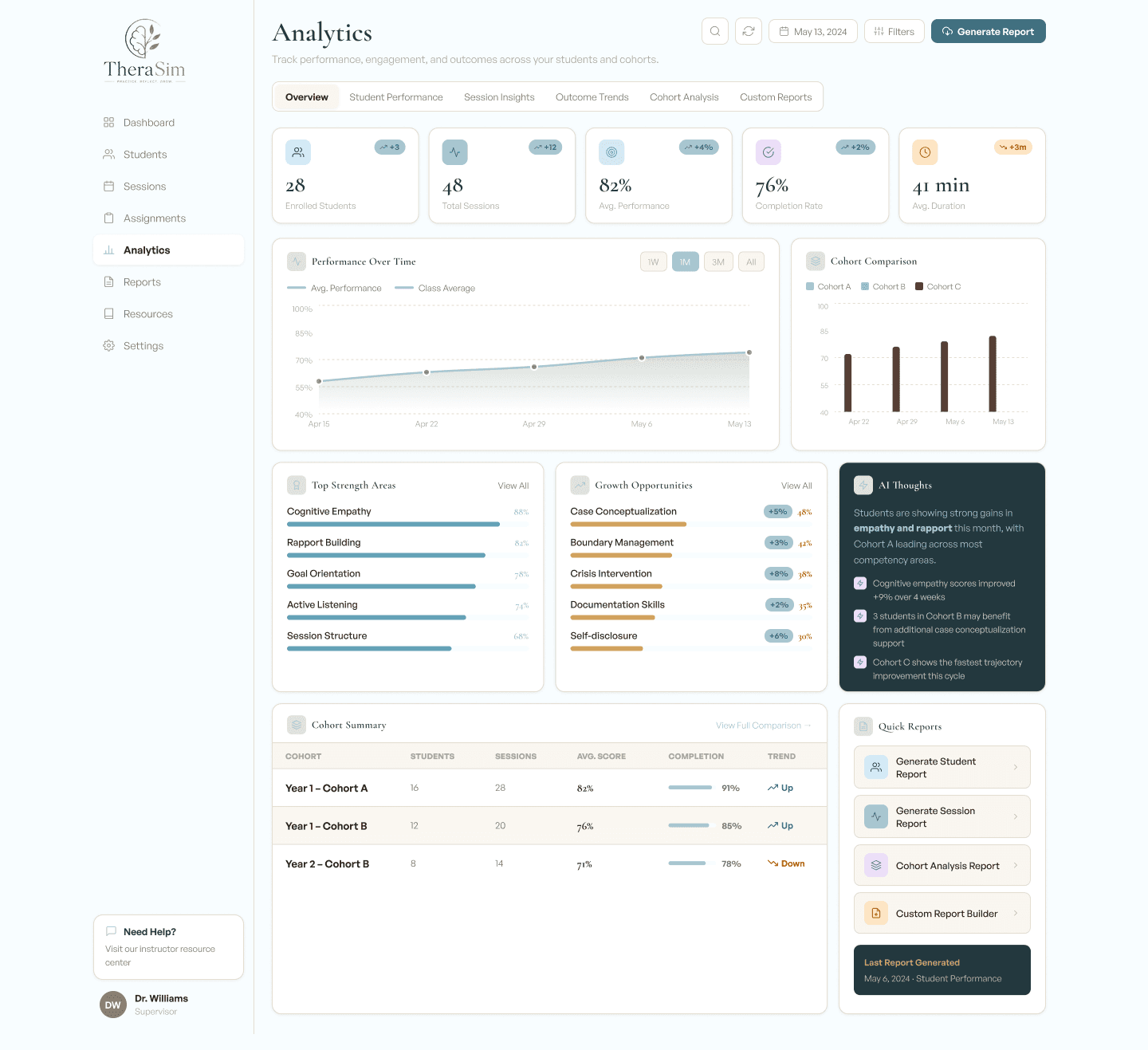
Growth Over Time
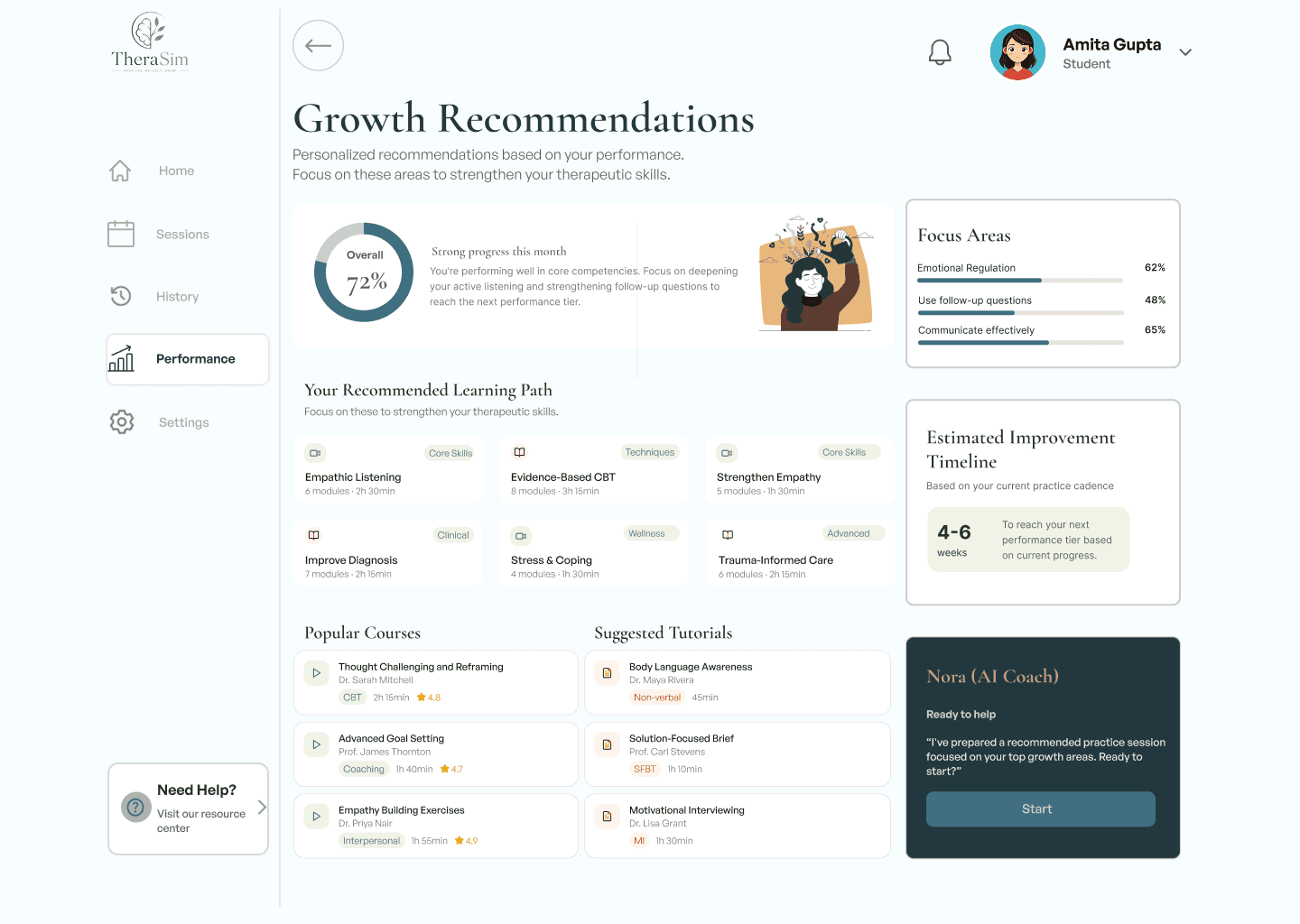
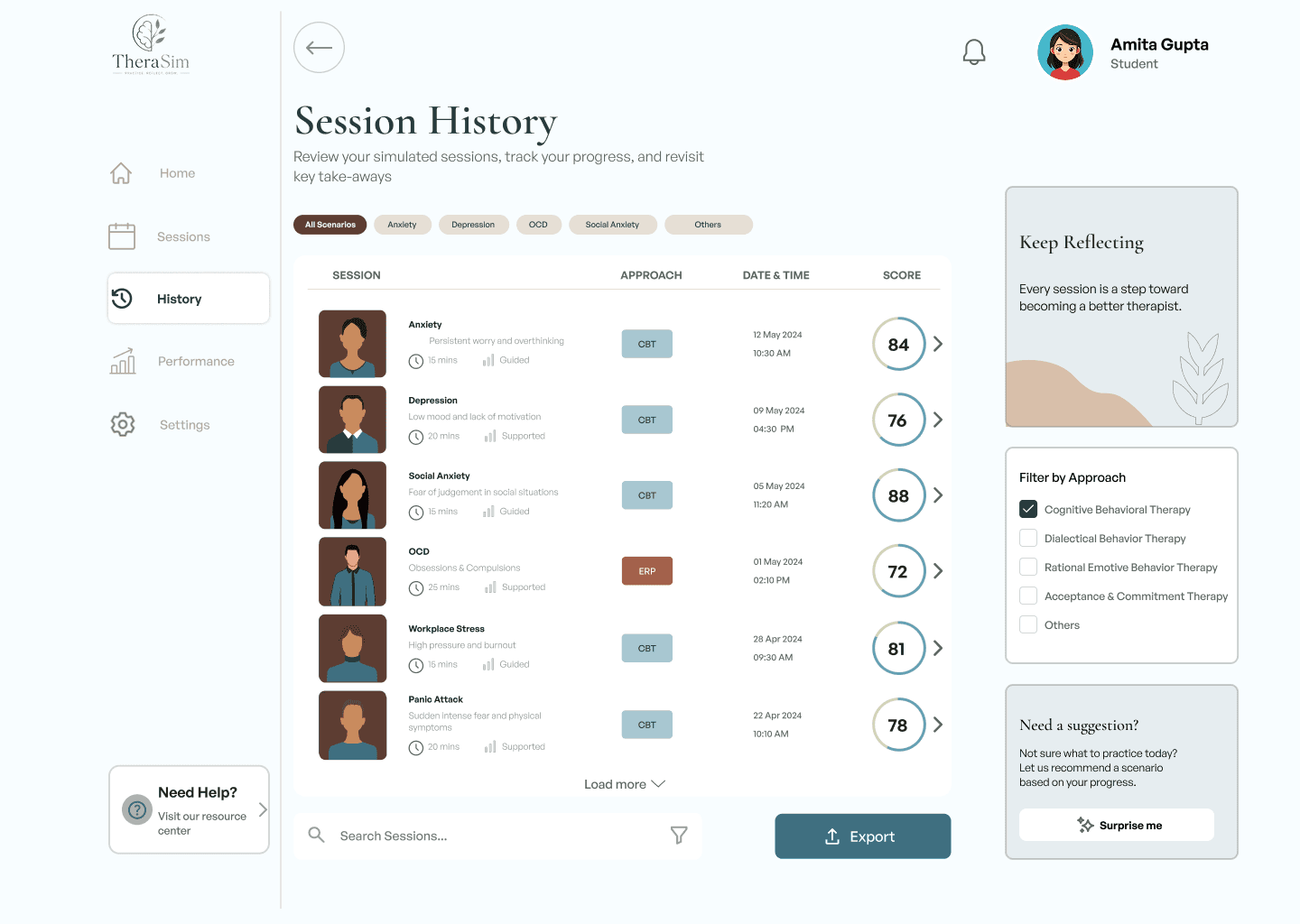
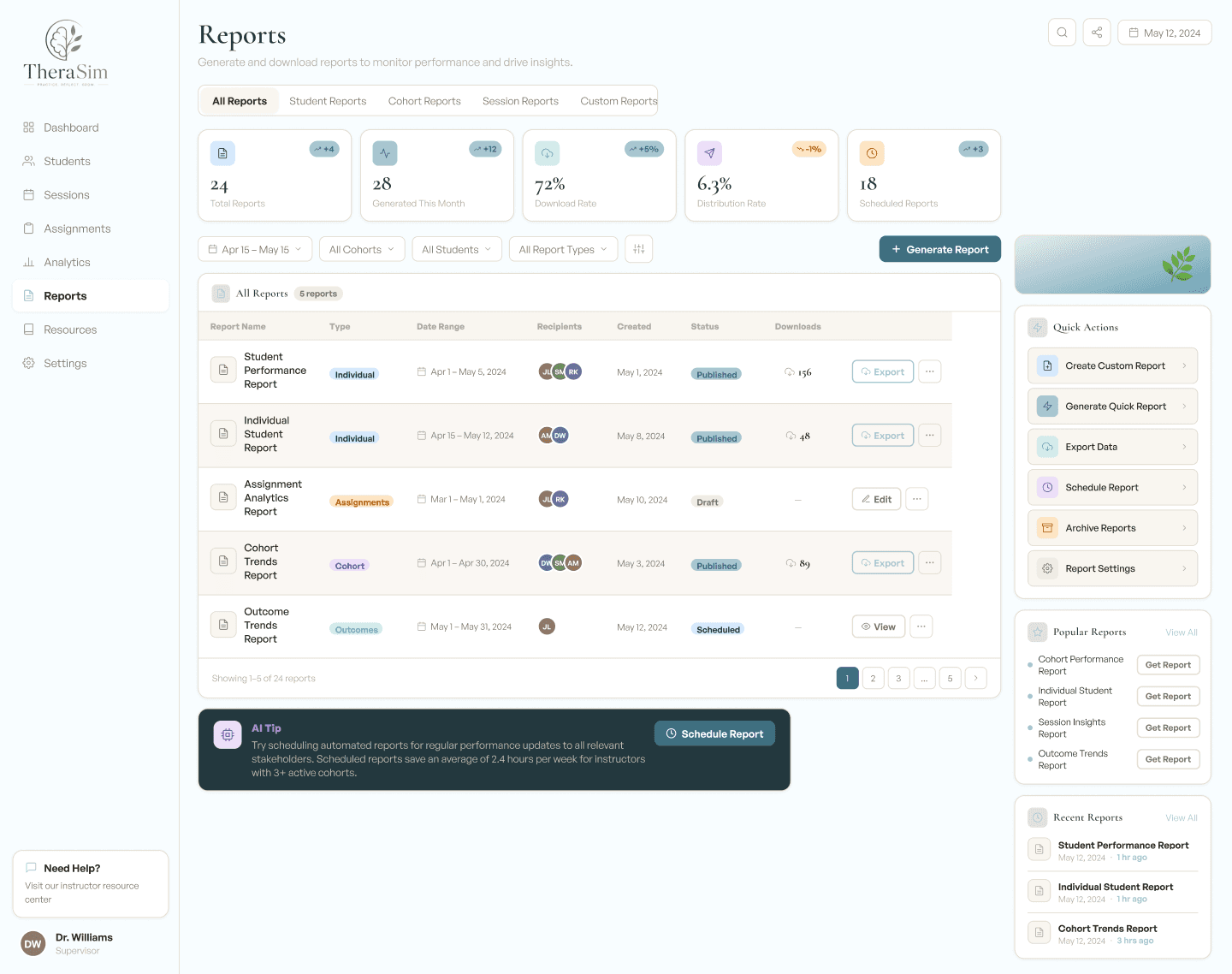
Improvement should be visible.
Long-term progress tracking helps learners identify recurring strengths, recognise patterns in their performance and measure improvement across multiple therapy sessions.
Practice becomes measurable rather than subjective.
TheraSim transforms psychotherapy education from isolated moments of observation into a continuous cycle of practice, reflection and growth.
Practice. Reflect. Grow.
The Language
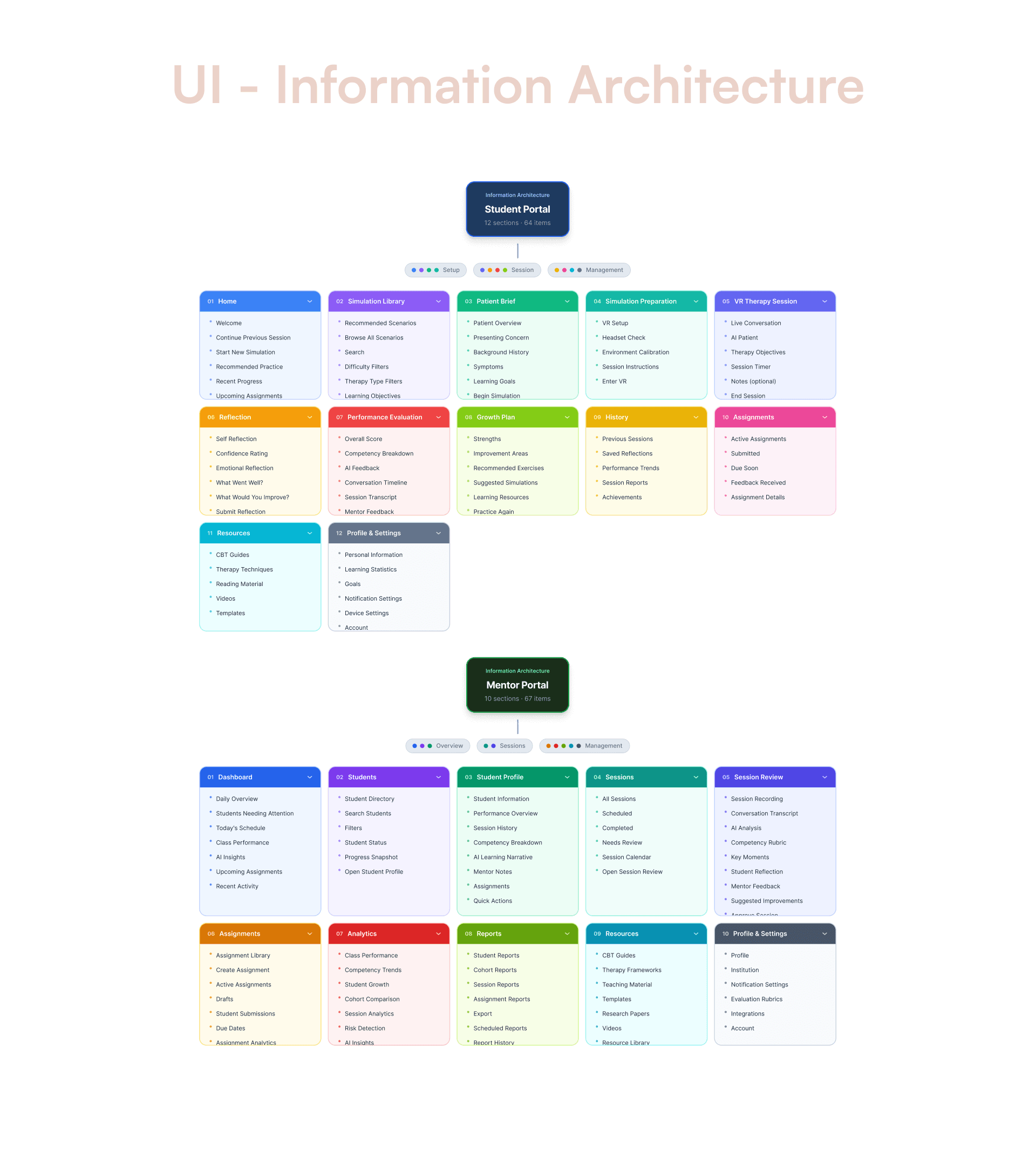
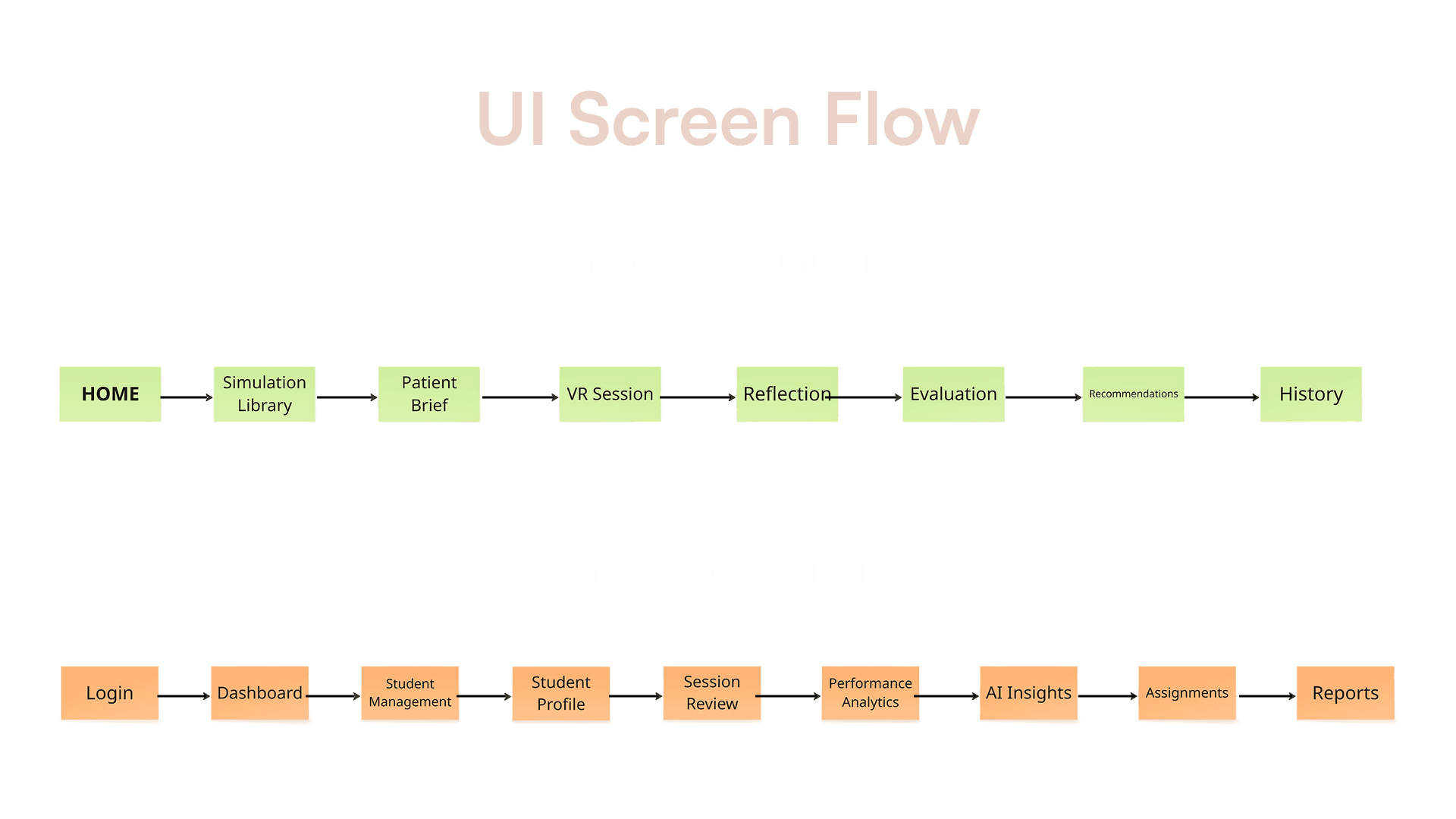
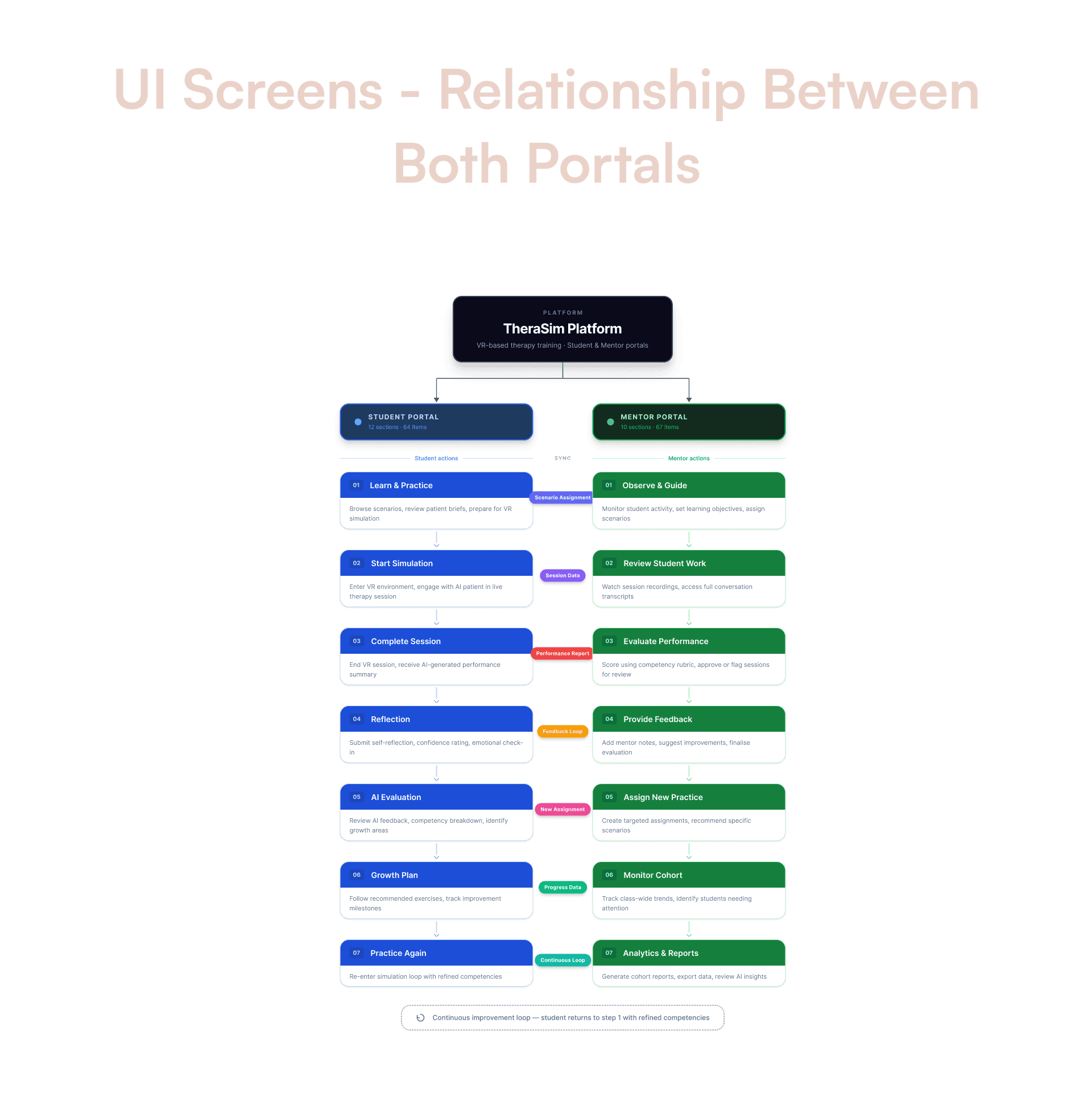
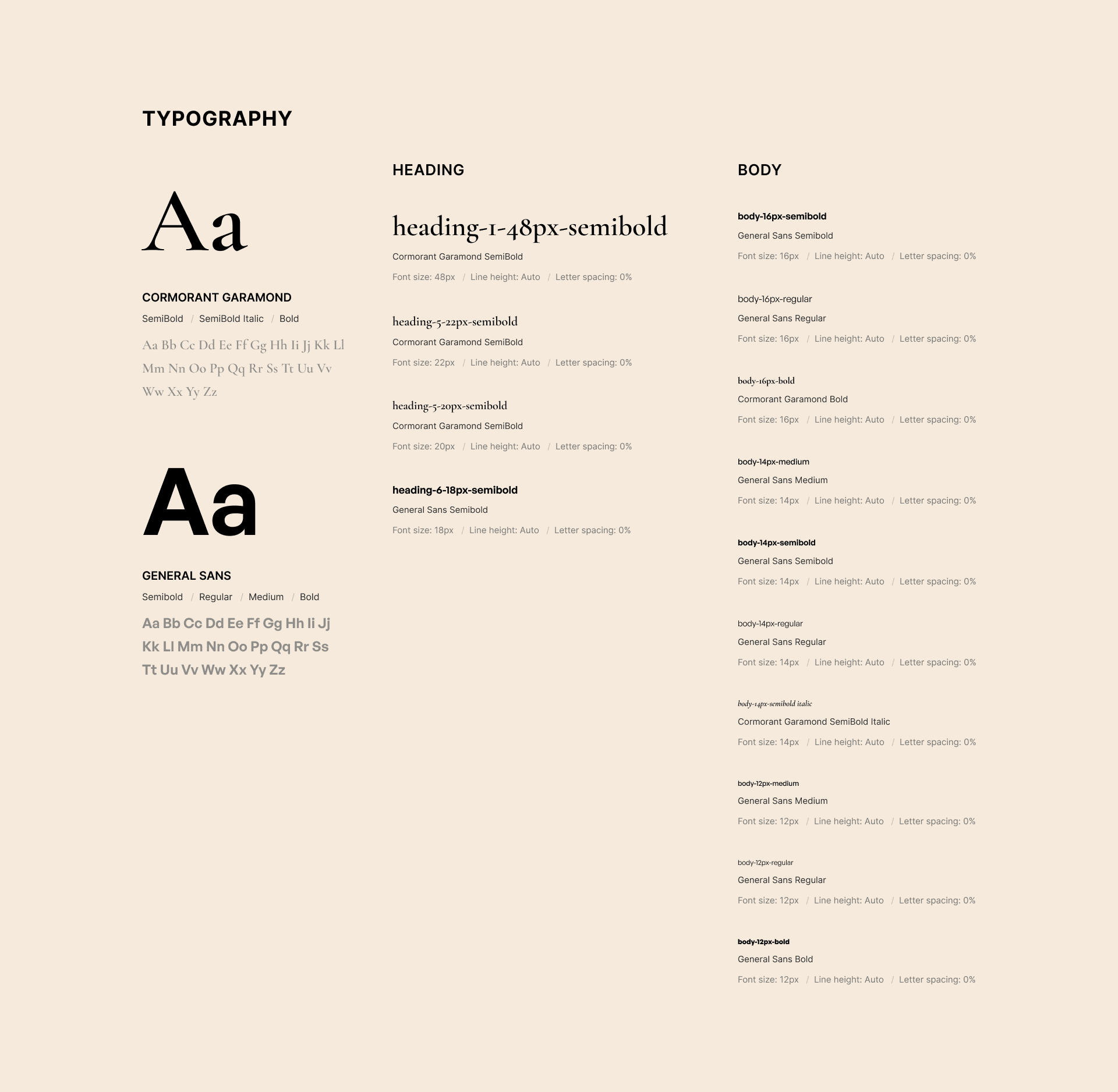
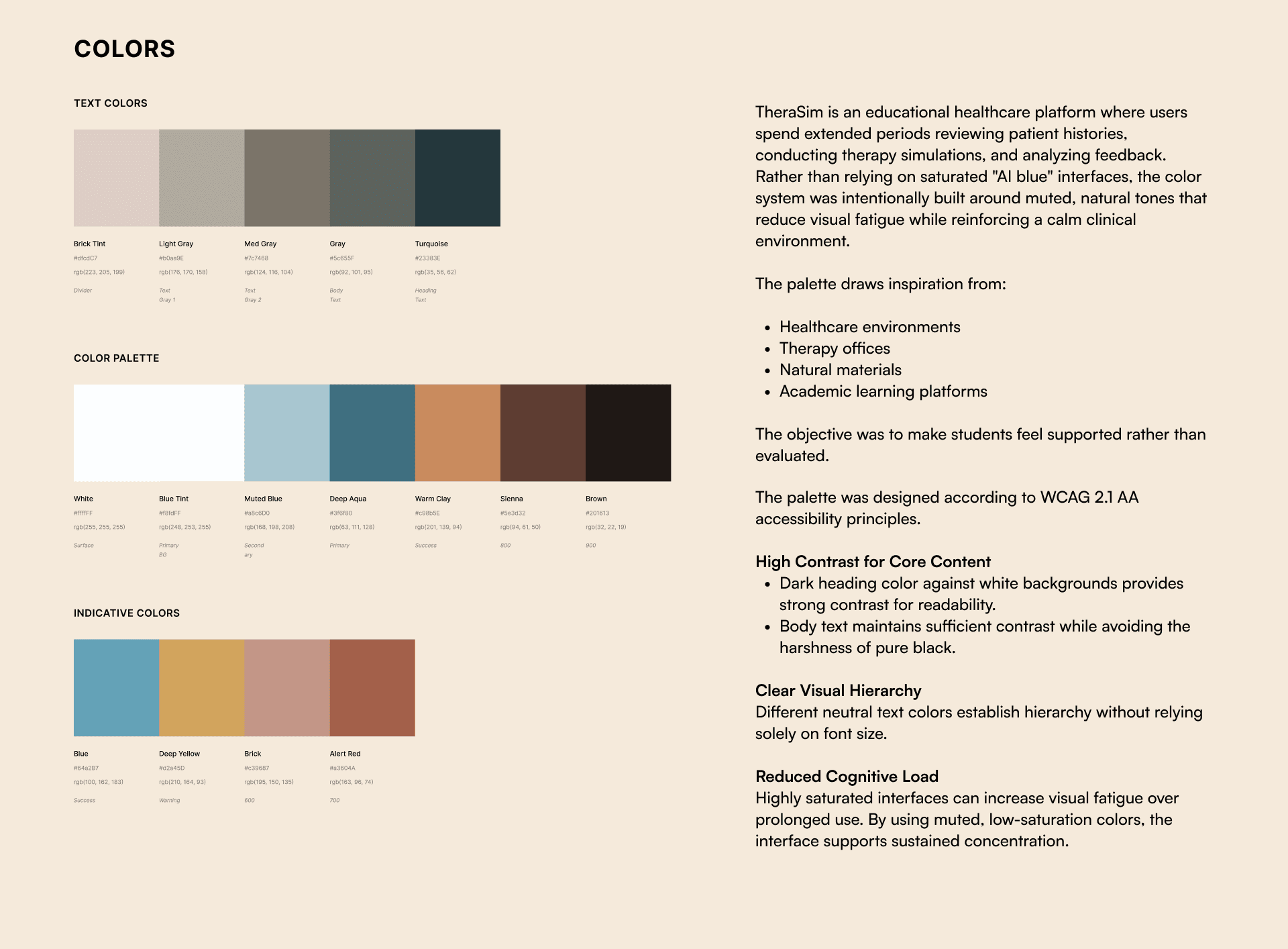
From Thought to Interface


Inside TheraSim


The Outcome
Designing Beyond the Classroom
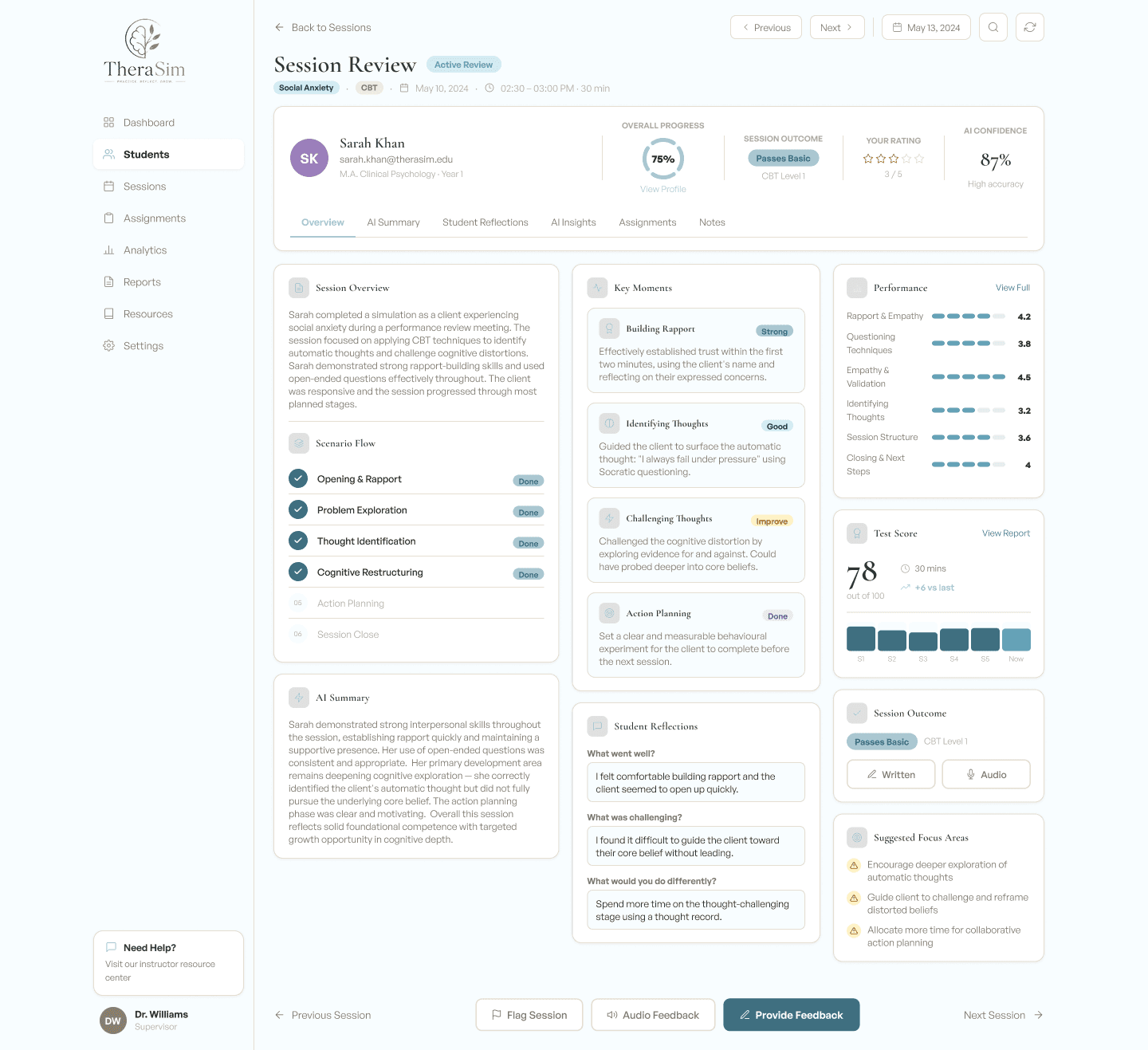
TheraSim reimagines psychotherapy education as an experience rather than a lecture. By combining immersive virtual reality, AI-driven patient simulations and structured performance evaluation, the platform transforms theoretical knowledge into practical skill-building.
Rather than replacing educators, TheraSim extends their ability to guide, observe and assess students through repeatable, data-informed practice sessions.
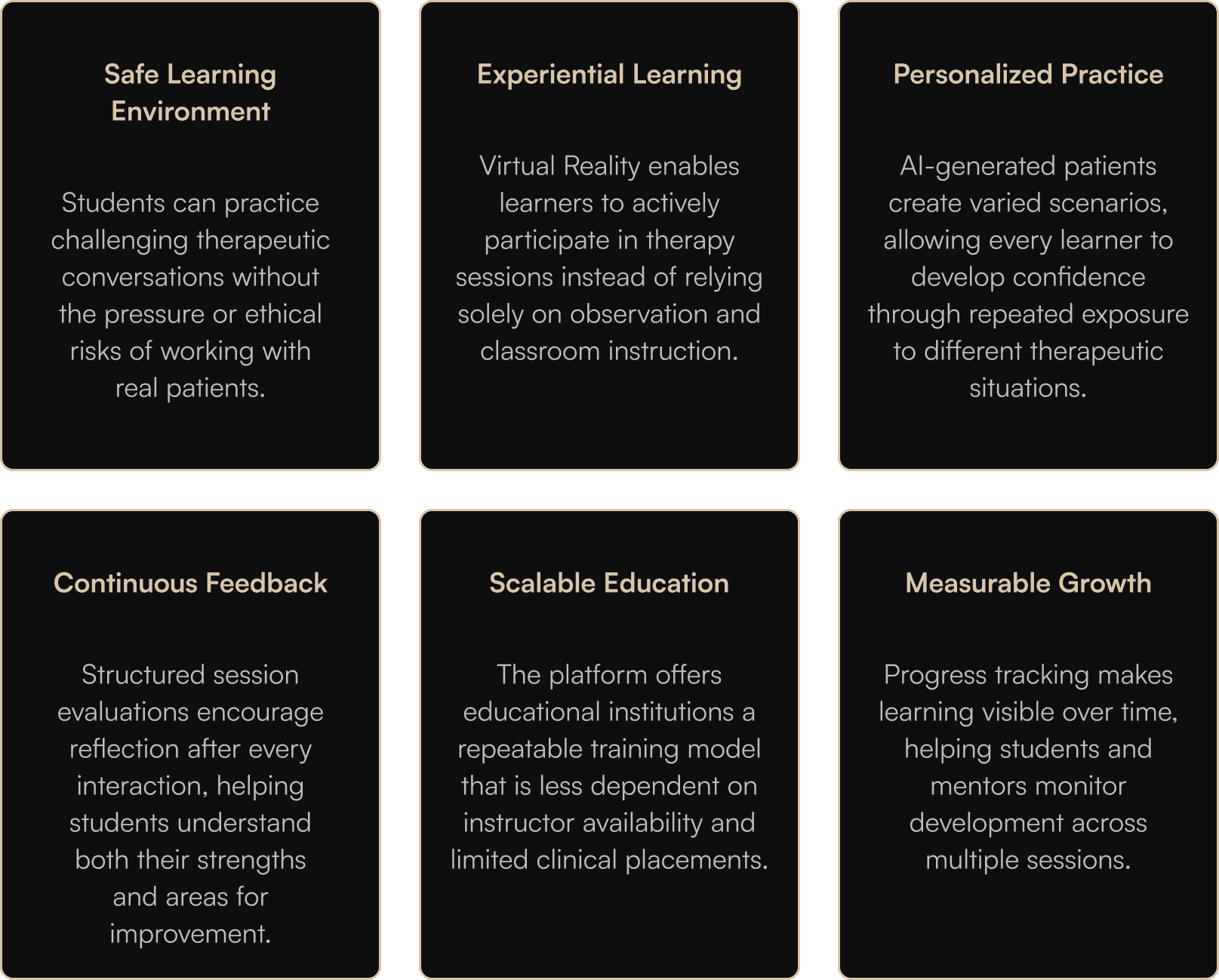
Key Outcomes
Design Impact
TheraSim shifts psychotherapy training from passive learning to active participation. Instead of preparing students only through theory, it creates opportunities to practice, reflect and improve within a safe, immersive environment before entering real clinical settings.
Looking Forward
Although developed as a concept, TheraSim demonstrates how emerging technologies can reshape professional education. Future iterations could incorporate natural language models for more nuanced patient conversations, biometric feedback to measure emotional responses, multi-user collaborative sessions for instructor supervision, and institutional dashboards for tracking learner progress at scale.
The success of TheraSim isn't measured by how realistic the simulation looks, but by how confidently learners step into their first real therapy session.
Looking Back
Emotional context is critical in UX, especially in mental health
Simplicity reduces both cognitive and emotional load
Small interaction details can significantly impact user comfort
Available